info@axiacare.com.au
 (+61) 0000-00-0000



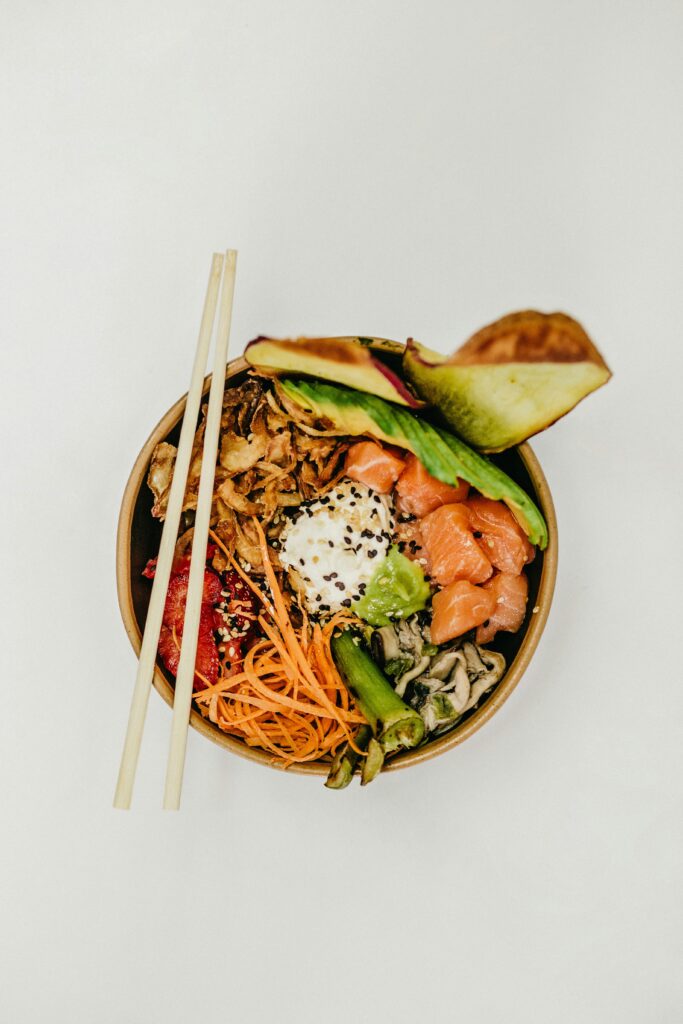
Have you ever wondered how the food you eat affects your health? You may have heard of the term “inflammation”, which is your body’s natural response to injury or infection. But did you know that some foods can cause or worsen inflammation, while others can help reduce it? In this blog post, I will explain what inflammation is, why it matters, and how an anti-inflammatory diet can benefit your well-being. You will also learn about the best foods to eat and avoid for fighting inflammation, and get some tips and recipes to get started. Whether you have a chronic condition, food sensitivity, or just want to improve your overall health, an anti-inflammatory diet may be just what you need.
An anti-inflammatory diet is a way of eating that focuses on foods that can help reduce inflammation in your body. Inflammation is a normal response to injury or infection, but when it becomes chronic, it can lead to many health problems, such as autoimmune diseases, heart disease, diabetes, and cancer.
Autoimmune diseases are conditions where your immune system mistakenly attacks your own healthy cells and tissues, causing damage and pain. Some examples of autoimmune diseases are rheumatoid arthritis, lupus, celiac disease, and psoriasis. By following an anti-inflammatory diet, you may be able to reduce the symptoms and severity of these diseases, as well as lower your risk of developing them in the first place.
So, what are some anti-inflammatory foods that you can include in your diet? Here are 10 examples, along with some of their benefits:
Berries: These fruits are rich in antioxidants, which can help protect your cells from free radical damage and inflammation. Berries also contain phytochemicals that may have anti-cancer and anti-diabetic effects.

Fatty fish: Fish like salmon, sardines, mackerel, and anchovies are high in omega-3 fatty acids, which can help lower inflammation and improve your heart and brain health. Omega-3s can also modulate your immune system and reduce the production of inflammatory molecules
Broccoli: This cruciferous vegetable is packed with vitamins, minerals, and fiber, as well as compounds called glucosinolates, which can help detoxify your body and prevent cancer. Broccoli also has anti-inflammatory effects, as it can inhibit enzymes that trigger inflammation.

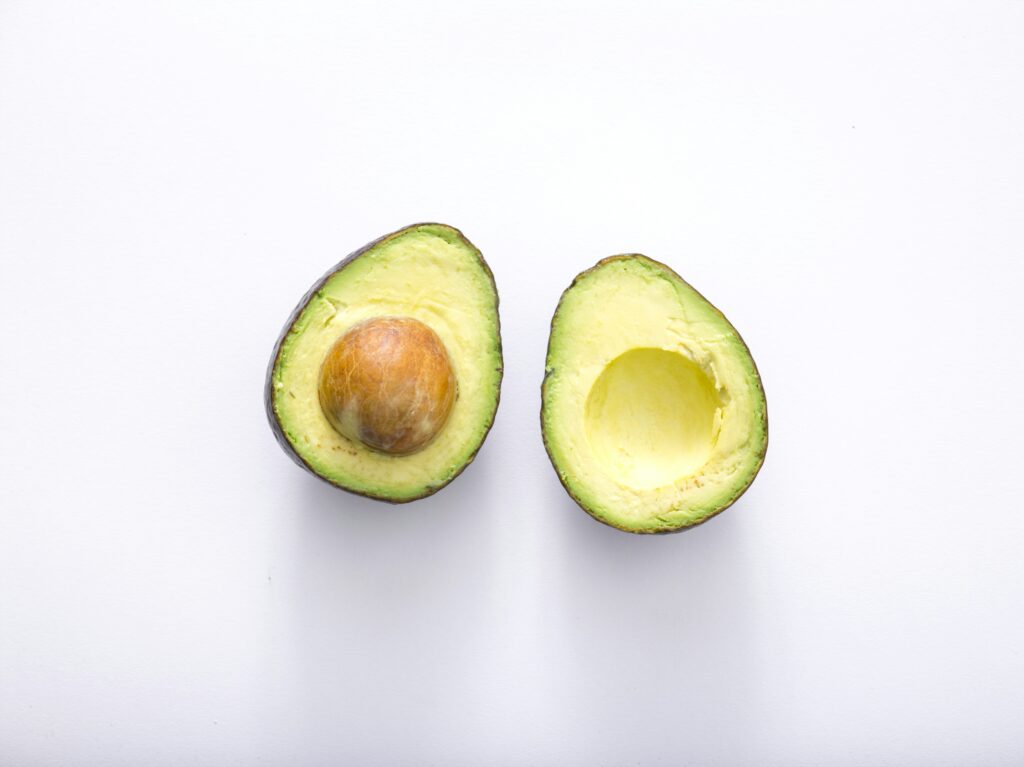
Avocados: These creamy fruits are loaded with healthy fats, fiber, and antioxidants, as well as potassium, magnesium, and vitamin E. Avocados can help lower your cholesterol, blood pressure, and inflammation, as well as improve your skin and eye health
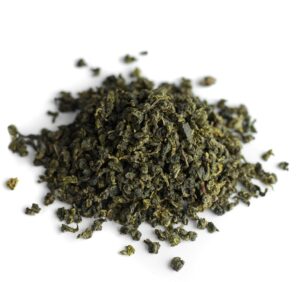
Green tea: This popular beverage is a great source of catechins, which are antioxidants that can fight inflammation and oxidative stress. Green tea may also help prevent or treat various diseases, such as obesity, diabetes, Alzheimer’s, and cancer.
Peppers: These colorful vegetables are high in vitamin C and other antioxidants, as well as capsaicin, which is a compound that gives peppers their spicy flavor. Capsaicin can help reduce pain and inflammation, as well as boost your metabolism and immunity.

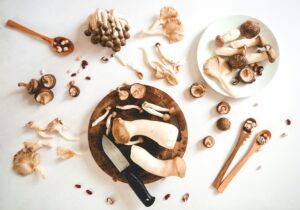
Mushrooms: These fungi are low in calories but high in nutrients, such as B vitamins, selenium, copper, and zinc. Mushrooms also contain polysaccharides, which are complex carbohydrates that can modulate your immune system and reduce inflammation.
Grapes: These juicy fruits are not only delicious but also beneficial for your health. Grapes contain resveratrol, which is a polyphenol that can lower inflammation and prevent blood clots. Grapes may also protect your heart, brain, and joints from damage.
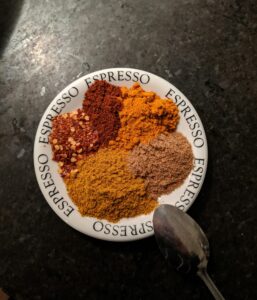
Turmeric: This yellow spice is widely used in Asian cuisine and medicine, and for good reason. Turmeric contains curcumin, which is a powerful anti-inflammatory and antioxidant agent. Curcumin can help treat or prevent various inflammatory conditions, such as arthritis, diabetes, depression, and cancer.
Dark chocolate: Yes, you can enjoy some chocolate and still follow an anti-inflammatory diet, as long as it’s dark and has at least 70% cocoa. Dark chocolate is rich in flavonoids, which are antioxidants that can reduce inflammation and improve your blood flow, blood pressure, and mood.

As you can see, there are many delicious and nutritious foods that you can eat to fight inflammation and improve your health. By choosing these foods more often, and avoiding or limiting foods that can cause inflammation, such as sugar, refined carbs, trans fats, alcohol, and processed meats, you can make a positive difference in your well-being.
An anti-inflammatory diet is not only good for your physical health, but also for your mental and emotional health. By eating foods that nourish your body and mind, you can feel more energized, happier, and confident. You can also enjoy the variety and flavor of different International cuisines and recipes that use these foods.
Remember, you don’t have to be perfect or follow any strict rules, just aim to make small and gradual changes that suit your preferences and lifestyle. And don’t forget to consult your doctor before making any major dietary changes, especially if you have any medical conditions or take any medications.
Learn More about Healthy Foods and Drinks:
Colorful and Refreshing Infused Water
10 Foods That Fight Inflammation and Boost Your Well-Being
How to Make Delicious and Nutritious Infused Waters at Home