info@axiacare.com.au
 (+61) 0000-00-0000




Are you an animal lover like me? If so, I’m sure you’re concerned about animals and their welfare. As tourists, we, of course, want to see all the beautiful animals we can, but are we hurting them with animal tourism?
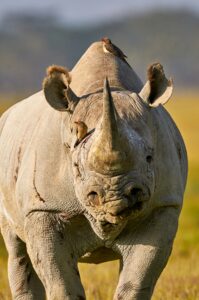
Support Ethical Eco-Tourism
How we spend our dollars can have a huge impact on the environment, its creatures, and the local economy and communities.
One of the ways we can make a positive difference is by supporting reputable and ethical eco-tourism and wildlife conservation activities. Eco-tourism is a form of travel that respects and protects the natural environment and the cultural heritage of the communities we visit. It provides the local communities with economic opportunities by educating and empowering them to preserve their resources.
Wildlife Conservation
Wildlife conservation is a vital part of eco-tourism and ensures that animals we encounter are treated with respect and dignity. It strives to preserve their natural habitats and avoids activities that disrupt their ecosystem.
Here are some ways you can contribute to the preservation of these animals and their environments:
- Visiting wildlife sanctuaries and reserves that focus on the rehabilitation and release of animals, rather than keeping them in captivity or forcing them to perform unnatural behaviors
- Participating in responsible wildlife-watching tours with strict guidelines to not disturb or harm the animals.
- Avoid activities such as riding elephants and camels, swimming with dolphins, or taking selfies with tigers. These activities often involve harsh and abusive training methods, unnatural living conditions, and physical and psychological distress for the animals.
- Support organizations and their initiatives to rehabilitate animals, conserve wildlife and their habitats, and fund anti-poaching patrols, wildlife rescue centers, and community-based conservation projects

By engaging in these ethical animal encounters, not only do we enjoy the beauty and diversity of wildlife, but we also contribute to their well-being. By learning more about these animals, their habitat, and their behavior, we gain an appreciation for the daily life and challenges these species face.
More importantly, as our appreciation and knowledge grow, we can pass this awareness on to others through education, funding, and activism.
Read More About Ethical Animals Encounters:
The Do’s and Don’ts of Wildlife Tourism: A Guide for Animal Lovers
Wildlife Tourism: What You Need to Know Before You Go
Saving the Lives of Baby Elephants: Elephant Orphanages
Elephant Riding or Exploitation
The Dark Side of Animal Tourism
Whale Watching in Hawaii: A Serene Encounter
Black Sand Beach: Turtles, Lava, and Ocean Beaches.
Cute, But Dangerous – Stray and Wild Animals