info@axiacare.com.au
 (+61) 0000-00-0000



Ephesus: A Journey Through Time and Ancient History
In Ephesus, where ancient whispers flow, Marble streets and columns glow.
Travelers tread where history’s woven, Time’s embrace, a past unbroken.
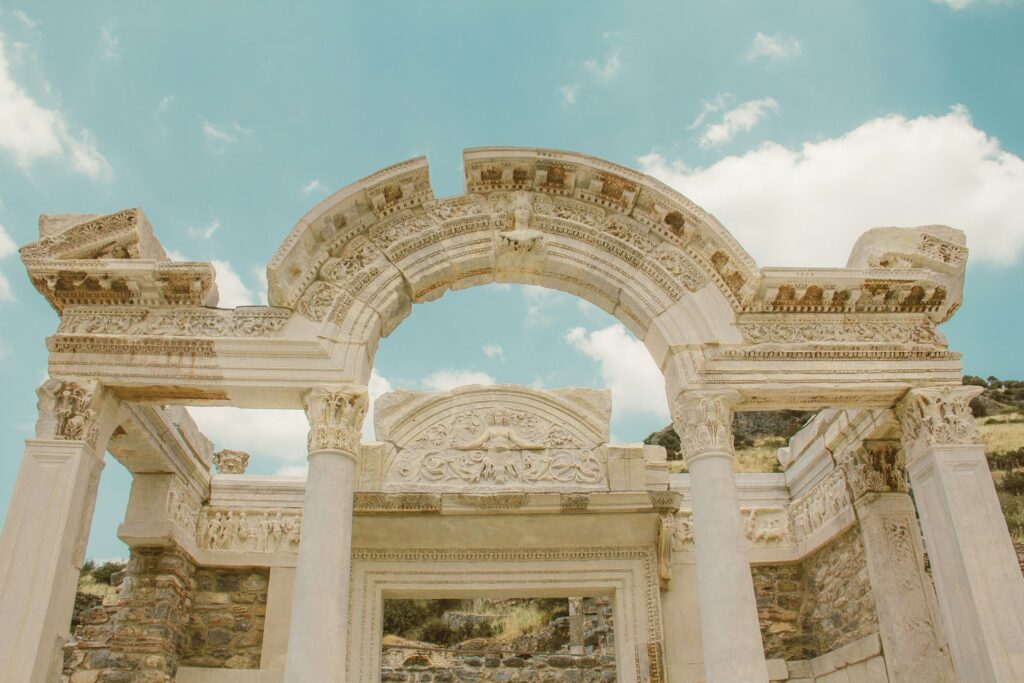
When I first visited Ephesus I was awestruck. The magnificent buildings with beautiful, carved ancient reliefs of the Greek and Roman Gods; the amphitheater, and the Library of Celsus were like walking back though ancient history. Ephesus is a testament to the sophistication and wealth of the Roman Empire and an archaeological wonder.
Ephesus, located in modern-day Turkia, is one of the most well-preserved ancient cities in the world. This UNESCO World Heritage Site offers a fascinating glimpse into the past, showcasing the grandeur of ancient civilizations through its remarkable architecture and rich history of the Roman empire. From its origins in the 10th century BC to its significance in early Christianity, Ephesus stands as a testament to the cultural and religious diversity of the ancient world.
As an ancient city located near the western shores of Turkai, Ephesus has captivated historians, archaeologists, and tourists alike with its well-preserved ruins and rich historical tapestry. Founded in the 10th century BC, Ephesus rose to prominence during the Roman Empire, becoming one of the largest and most important cities of the ancient world. Its strategic location on the Aegean coast made it a hub for trade and commerce, while its impressive architectural feats, such as the Temple of Artemis, the Library of Celsus, and the Great Theatre, highlight the city’s grandeur and sophistication
Ephesus, was originally founded by the Ionian Greeks in the 10th century BC, and was a major trading hub connecting the East and the West; Ephesus also played a crucial role in the spread of early Christianity. It’s believed that Apostle Paul lived and preached in Ephesus for several years.
The city’s most famous landmark, the Temple of Artemis, was one of the Seven Wonders of the Ancient World. This magnificent temple was dedicated to Artemis, the goddess of the hunt, and was a symbol of religious devotion. Although little remains of the temple today, its legacy continues to draw visitors from around the globe.
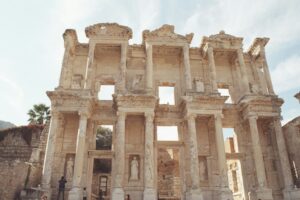
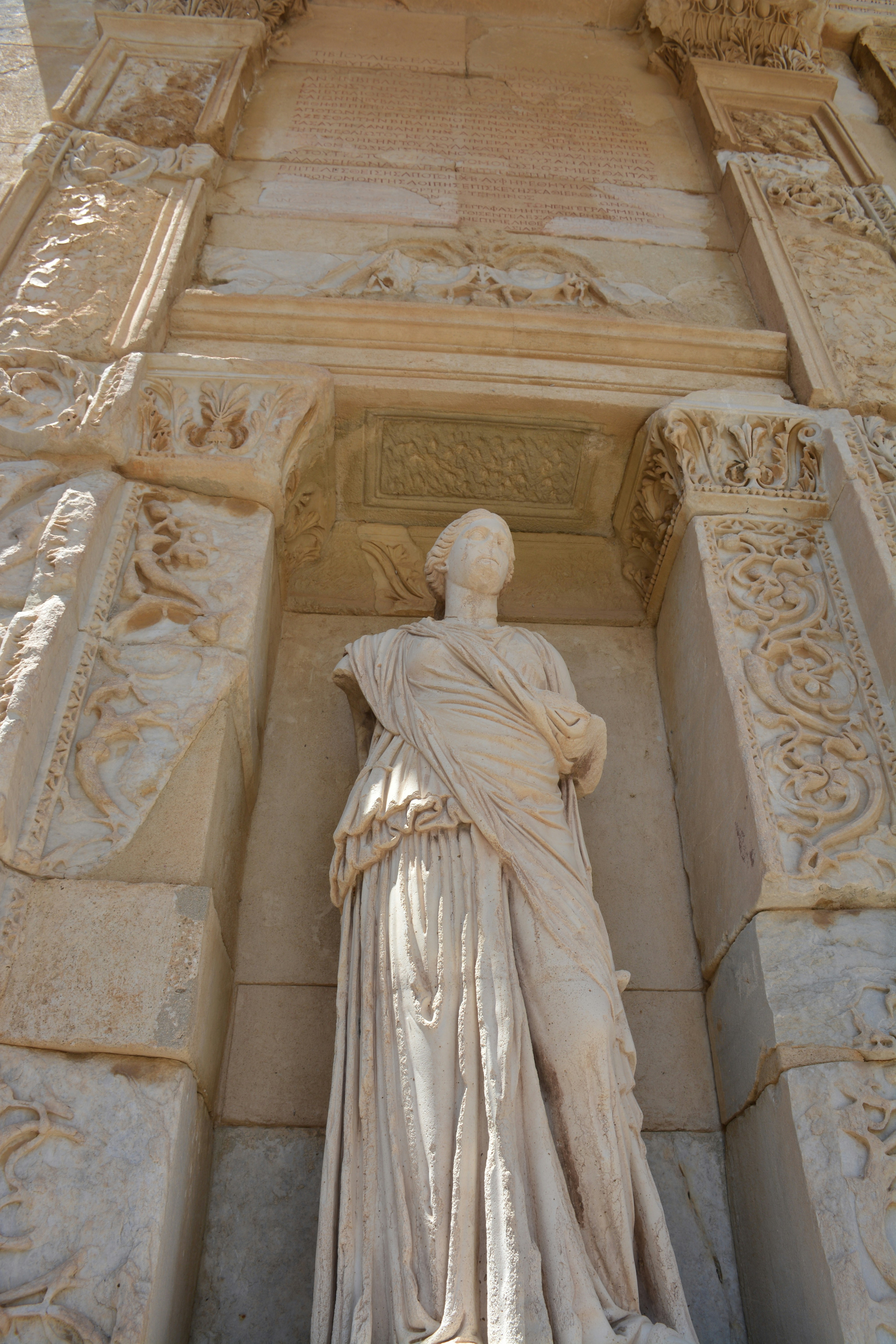
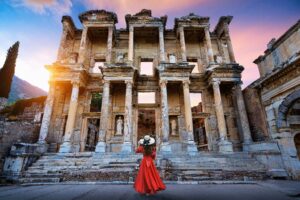
Library of Celsus
The Library of Celsus was built in honor of the Roman senator Tiberius Julius Celsus Polemaeanus, is one of the most iconic structures in the world. Its ornate facade and impressive design reflect the city’s status as a center of education and culture.
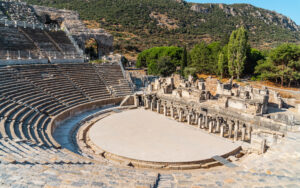
The Great Theater
The Great Theatre is a massive theater used for gladiatorial events, theatrical performances, public gatherings, and political events. The theatre’s grand scale makes for impressive acoustics and highlights the accomplishments of Roman engineering.
.
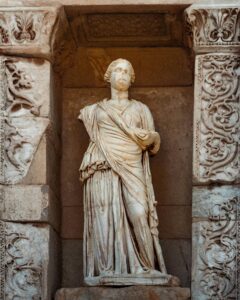
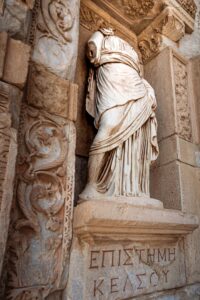
Today, Ephesus is a UNESCO World Heritage Site, recognized for its outstanding architectural heritage and historical significance. The site’s well-preserved ruins offer a unique window into the past, allowing visitors to explore the grandeur of ancient civilizations throughout millennia. Ongoing international preservation efforts continue to protect and restore this archaeologic wonder and ensuring that future generations can appreciate the grandeur of this architectural treasure.
Learn More:
Vienna Museums: Treasures of Ephesus