info@axiacare.com.au
 (+61) 0000-00-0000



Before you take off on your life-changing trip, it’s important to prepare for any potential health risks specific to that country or geographic area.
By visiting a Travel Medicine Doctor, you can get expert advice on all the medications and vaccinations needed as well as guidance to keep you healthy and safe!

What is a Travel Medicine Doctor?
A Travel Medicine Doctor is a specialist in the field of Travel Medicine and is knowledgeable about diseases, health risks, and other dangers of your destination. They can assess and give you vaccines, medicines, and other information about your destination.
I like to go to Costco Travel Medicine.
You can book an appointment with a doctor online and see them virtually. It’s very affordable and worth the peace of mind.

Make sure you discuss your specific health concerns, itinerary, and planned activities including any tours, animal encounters, and off-the-beaten-path destinations t you plan on visiting. This allows them to give more specific advice and recommendations.
Vaccinations
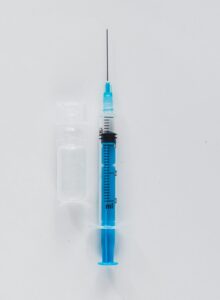
Make sure you are up-to-date on all of your routine vaccines. Routine vaccinations protect you from infectious diseases such as measles that can spread quickly in groups of unvaccinated people. Many diseases prevented by routine vaccination are not common in the United States but are still common in other countries. Disease like measles, polio, and other nasty diseases are still present in developing countries, so it’s best you get vaccinated as needed.
If you are immunocompromised by medications or other health issues such as diabetes, pulmonary, or autoimmune issues, make sure you tell your doctor.
Take Medicines as Directed
If your doctor prescribes medicine for you, take the medicine as directed before, during, and after travel. Counterfeit drugs are common in some countries, so only take medicine that you bring from home and make sure to pack enough for the duration of your trip, plus extra in case of travel delays. Also, make sure you carry these medication in your carry-on bag, and also carry a list of the medications, their purpose, dosages, and your diagnoses. Remember you are in a foreign country and even though some nurses and doctors might speak English, you don’t want to be “guessing” when it comes to your health!
Malaria Medicine
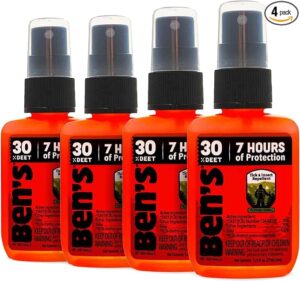
If you are prescribed malaria medication, be sure to take it as directed. Malaria is common in some countries and you should try to avoid bug bites, especially mosquitoes, by bringing an anti-bug spray like DEET. The CDC recommends DEET 40% and states that there’s no benefit to a higher percentage.
I use Ben’s Tick and Insect Repellant which contains 30% DEET and gives up to 7 hours of protection.
Get travel insurance. Find out if your health insurance covers medical care abroad as some US insurance will provide some level of coverage while abroad. However, it’s best to purchase travel insurance for emergencies and as a back-up. Travelers are usually responsible for paying hospital and other medical expenses out-of-pocket at most destinations. Also, make sure your insurance covers emergency evacuation, especially if you will be traveling to remote areas to ensure you can be airlifted to a safe destination.
I use Safety Wing which is both reasonably priced and thorough. You can purchase the insurance for the exact dates of the trip and nothing more. Make sure you include all countries you might visit, even for a day, otherwise, it may not cover a mishap or emergency if you cross over into another country.
Health Kit
Prepare a travel health kit with items you may need, especially those items that may be difficult to find at your destination. Include your prescriptions and over-the-counter medicines and take enough to last your entire trip, plus extra in case of travel delays.
Learn more about Staying Healthy When Traveling:
How to Pack a Medical Travel Kit
Checking Your Destination for Disease-Free Travel
The Importance of Travel Medicine Doctors
Cute, but Dangerous -Staying Away from Stray Animals
Malaria: A Travel’s Guide to Staying Safe
My Thailand Emergency Room Experience