info@axiacare.com.au
 (+61) 0000-00-0000



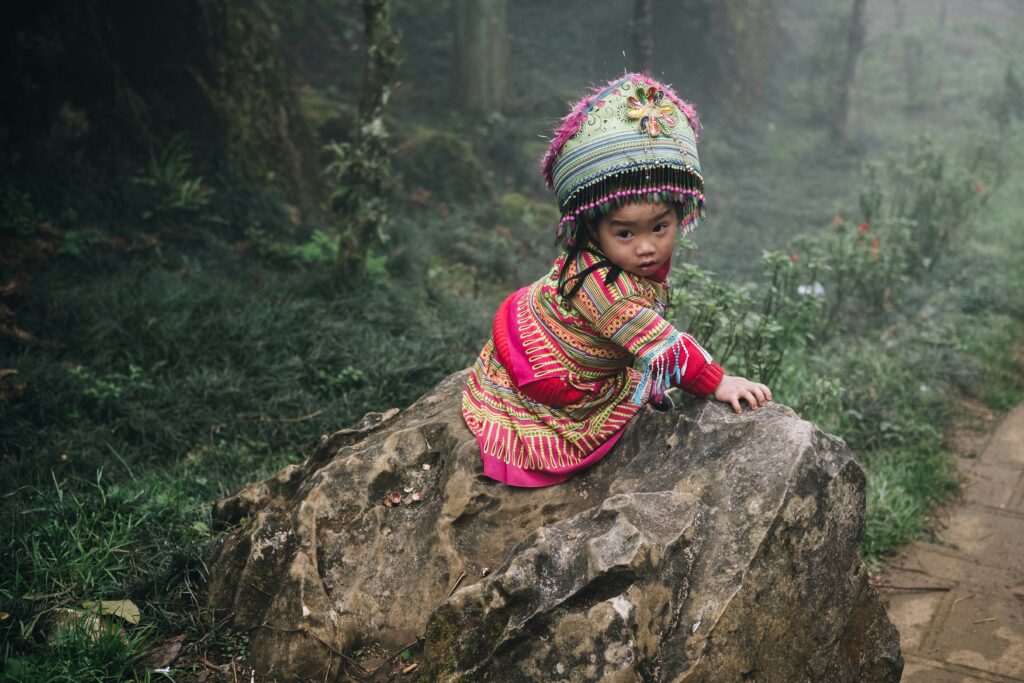
Hill Tribes of Thailand
The hill tribes of Thailand, particularly the Hmong and the Long Neck tribes, offer a fascinating glimpse into the unique cultural diversity that thrives in the mountainous regions of northern Thailand. These tribes, with their unique customs and traditions, have captivated the interest of anthropologists, travelers, and cultural enthusiasts alike.

The Hmong people, originally from southern China, began migrating to Southeast Asia in the 18th century, driven by the expansion of the Chinese empire and subsequent conflicts. They settled in the highlands of Vietnam, Laos, and Thailand, bringing with them a rich cultural heritage that includes vibrant textiles, intricate embroidery, and a deep connection to their ancestral roots. The Hmong are known for their colorful traditional clothing, which is often adorned with elaborate patterns and symbols that tell stories of their history and beliefs.
Long Neck Tribes
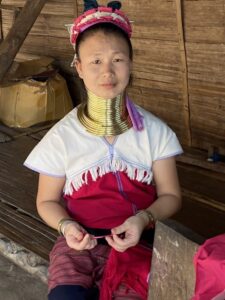
In contrast, the Long Neck tribes, also known as the Kayan or Padaung, are part of the larger Karenni ethnic group from Myanmar. They migrated to Thailand to escape political unrest and have since become one of the most recognizable hill tribes due to their unique practice of neck elongation. This tradition, which involves wearing brass coils around the neck, begins in early childhood and is seen as a symbol of beauty and cultural identity. The coils gradually push down the collarbone and compress the rib cage, giving the appearance of an elongated neck. As the girls grow older, additional rings are added to further create a defining longer neck.
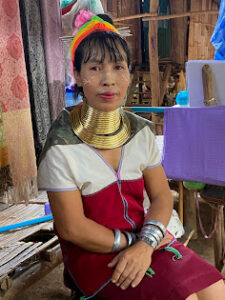
Cultural Significance of Neck Rings
The cultural significance of the neck rings is multifaceted. Some theories suggest they were originally worn to protect women from tiger attacks, while others believe they were meant to make women less attractive to rival tribes, thus protecting them from being captured.
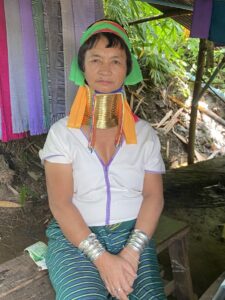
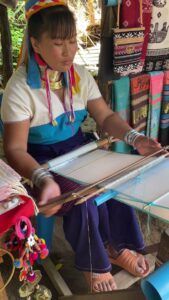
These tribes are primarily located in the northern provinces of Chiang Mai, Mae Hong Son, and Chiang Rai.
To visit these villages, travelers can embark on guided tours that offer an immersive experience of the daily lives of the hill tribe people.
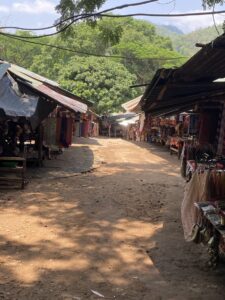
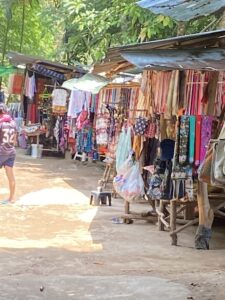
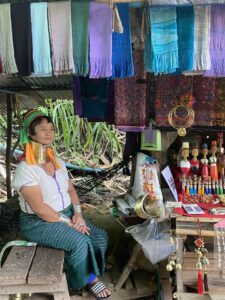
These tours often include opportunities to purchase handmade crafts such as textiles, jewelry, and pottery, which not only serve as beautiful souvenirs, but support the local economy and people.
In order to be respectful of the villagers and their community, avoid tourist tour companies that pay tourists who visit the villages to imitate the traditional lifestyle of the villagers. By doing so, the commercialization of their culture is exploitive but culturally insensitive. Instead, opt to purchase their hand-made goods and the proceeds support the local families.
Preserving Cultural Heritage
Preserving the cultural heritage of the hill tribes is crucial, especially in the face of modernization and tourism. As visitors, we can play a significant role in this preservation by engaging in responsible tourism practices. This includes respecting local customs, supporting ethical tour operators, and purchasing authentic handmade products directly from the artisans.
The hill tribes of Thailand, with their rich histories and unique cultural practices, offer a captivating narrative that deserves to be shared and celebrated. By visiting these communities with respect and mindfulness, we can contribute to the preservation of their cultural heritage and ensure that their traditions continue to thrive for generations to come.