info@axiacare.com.au
 (+61) 0000-00-0000



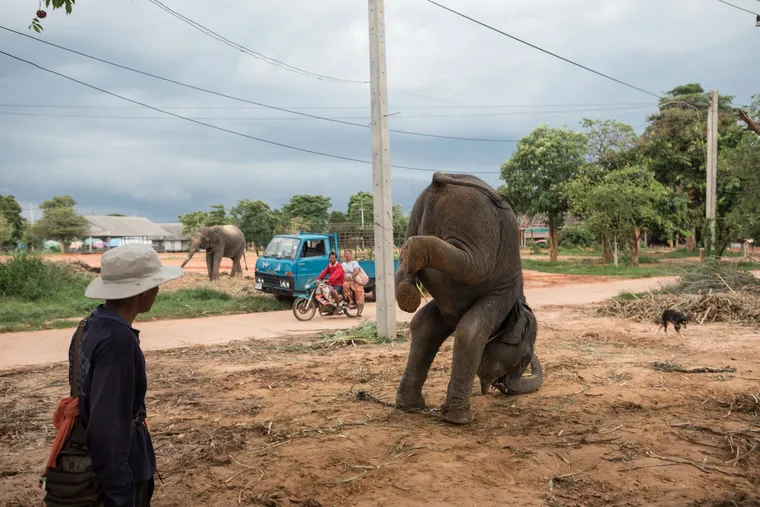
We’ve all seen those Instagram pictures of tourists riding an elephant. It seems harmless. After all, the elephant is massive and a human’s body is small and lightweight so it doesn’t hurt the elephant under its weight, right? Well, there’s more to it….Way more to it.
Elephant riding involves kidnapping a baby elephant from its mother at a young age and essentially “breaking it” to submit to human control with methods used to cause fear, anxiety, and pain. As a result of this dominance, the elephant becomes a slave to the human’s wants, which is mainly for monetary gain, and not for the benefit of the animal or species.
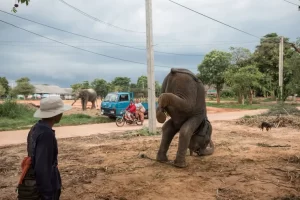
Photo taken from National Geographic
An investigative article by National Geographic explained how baby elephants are taken away from their mothers and “trained” under cruel, painful methods called Phajaan:
“When a baby is about two years old, they say, mahouts tie its mother to a tree and slowly drag the baby away. Once separated, the baby is confined. Using a bullhook on its ear, they teach the baby to move: left, right, turn, stop. To teach an elephant to sit, Sala-ngam says, “we tie up the front legs. One mahout will use a bullhook at the back. The other will pull a rope on the front legs.” He adds: “To train the elephant, you need to use the bullhook so the elephant will know.”
This cruel method of “Phajaan” is used to break the spirit of these beautiful animals. The investigator goes on further to describe “Phajaan”:
“Phajaan is the traditional—and brutal—days- or weeks-long process of breaking a young elephant’s spirit. It has long been used in Thailand and throughout Southeast Asia to tame wild elephants, which still account for many of the country’s captives. Under phajaan, elephants are bound with ropes, confined in tight wooden structures, starved, and beaten repeatedly with bullhooks, nails, and hammers until their will is crushed. The extent to which phajaan persists in its harshest form is unclear. Since 2012, the government has been cracking down on the illegal import of elephants taken from the forests of neighboring Myanmar, Thailand’s main source of wild-caught animals.”
As tourists, it’s our responsibility to not spend our money on these types of activities and to avoid them at all costs. The lifeblood of these cruel practices is money spent by ignorant tourists who believe that these elephants are being cared for and not subjected to torture or abuse. These elephants’ spirits have been destroyed and they have been relegated to life-long slavery under the tourism industry. When you and I spend our hard-earned dollars on these activities, we are feeding the appetite of cruel, abusive, and capitalistic greed. And for what? An Instagram-worthy picture to display to all your “followers” and online “friends”?
Instead of contributing to these cruel practices, spend your money on ethical animal activities such as non-profit conservation projects such as Kenya Elephant Sanctuary.
Where you can adopt a Baby Elephant !

Here are some ideas for Ethical Animal tours and safaris:
Chimpanzee trekking in Uganda
Grey Whale watching in Mexico or Hawaii
Tiger Safari in Ranthambore National Park in Rajastan, India
Galapagos islands tour
Komodo National Park features Komodo Dragons in Indonesia
Orangutan Rehabilitation in Borneo
Wild Safari in Krueger National Park
Cairngorms National Park in Scotland
Diving with Manta Rays in Hawaii on the Big Island
Just be wary of any activities that involve forcing touching of animals, performance of tricks, and unnatural behaviors (think SeaWorld and Seaquests); riding of the animals, or anywhere that uses any type of restraints.
The simplest way to help figure out if this activity may be beneficial or not for the animals is to ask yourself if you would want to be in the position of the animal. In other words, things like:
- Would you want to be “petted” by strangers every day whether you felt like it or not?
- Would you want to be ridden in the hot weather?
- Would you want to perform activities that are unnatural to your species? (think elephants’ painting or other tricks).
- Would you want someone standing on your back for pictures
Remember animals are thinking, feeling beings. They feel happiness, sorrow, joy, and pain. Many have tight social bonds and feel sorrow when separated from their families, so we need to be cognizant of how our actions and inactions affect the animal.
Chances are if you wouldn’t want to do something, then the animals wouldn’t either.
Isn’t it time we start putting an end to animal abuse in the tourism industry?
Is it really worth that Instagram photo?