info@axiacare.com.au
 (+61) 0000-00-0000




Food & Water Precautions
Water
Many of us living in the United States or Europe take food and water sanitation practices for granted. We’re blessed to have access to clean, safe drinking water. However, much of the world doesn’t have access to clean drinking water, and this is especially true in Asia, Latin America., and Africa. According to the CDC, approximately 780 million people still lack access to safe water.
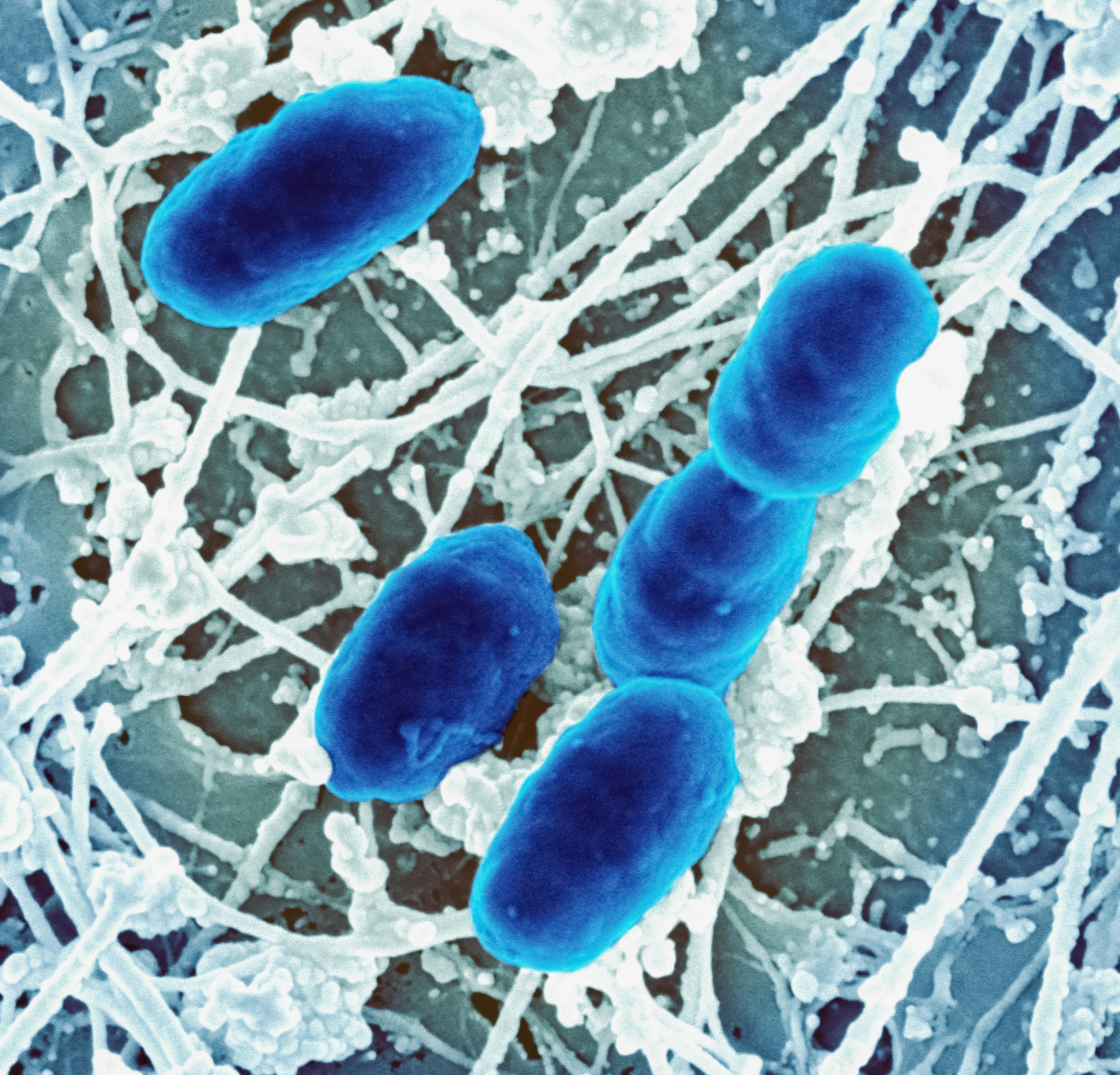
When traveling to developing countries, contaminated food and water pose a risk for travelers and can cause many infectious diseases due to parasites, bacteria, and worms. Additionally, food is washed with this water, so these pathogens can still be present in food. You must be cautious with what you eat and drink while traveling, so you don’t become ill. Common water-borne illnesses include E-Coli, Giardia, Dysentery, and worms.
Water Disinfection consists of heat, chemicals, filtration, and clarification. Learn more about Water Disinfection here
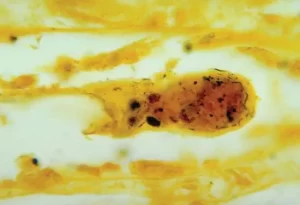
Leptospirosis
Food
- Avoid raw food. Raw food such as undercooked meat, fish, shellfish, and produce is especially likely to be contaminated with pathogens.
- Fish harvested from tropical waters can transmit toxins that survive cooking.
- Avoid consuming salads, uncooked vegetables, raw unpeeled fruits, and unpasteurized fruit juices.
- Use water disinfection methods
- All meat and eggs need to be cooked thoroughly.
- A lack of refrigeration and poor staff training can cause contamination of food in restaurants.
- Choose only pasteurized milk and cheese products.
- Take special caution when consuming food from street vendors.
- Wash your hands before eating.
- If soap and water is not available, use an alcohol-based cleaner
- Don’t use ice in drinks or drink from fountains. Ask that the drink be served without ice.
- Immunocompromised, elderly, young children and the elderly need to be especially careful due to weakened immune systems.
- If water is boiled, such as with tea or coffee, the water is generally safe.
- Opt for bottled water instead. Bottled water does pose a waste issue in these countries, but it’s the safest and easiest way to avoid becoming ill from water.
- Don’t get water in your mouth when showering or bathing.
Recreational Water
- Don’t swim in water that smells bad, looks discolored, or has algal mats, foam, or scum on the surface
- in freshwater streams, canals, or lakes in schistosomiasis-endemic areas of Africa, Asia, the Caribbean, and South America
- Warm seawater or brackish water (mixture of fresh and seawater), particularly when they have wounds.
- If you have an open wound, avoid swimming in water altogether.
- These waters can contain Leptospirosis,Vibrio,Schistosomiasis, and other nasty pathogens.
Remember, if you experience any fevers, chills, nausea or vomiting,
see a doctor right away.
To Learn More Tips for Staying Healthy When Traveling
Travel Medicine Doctor and Consultations
Travel for Immunocompromised Travelers
Checking Your Destination for Disease-free Travel