info@axiacare.com.au
 (+61) 0000-00-0000



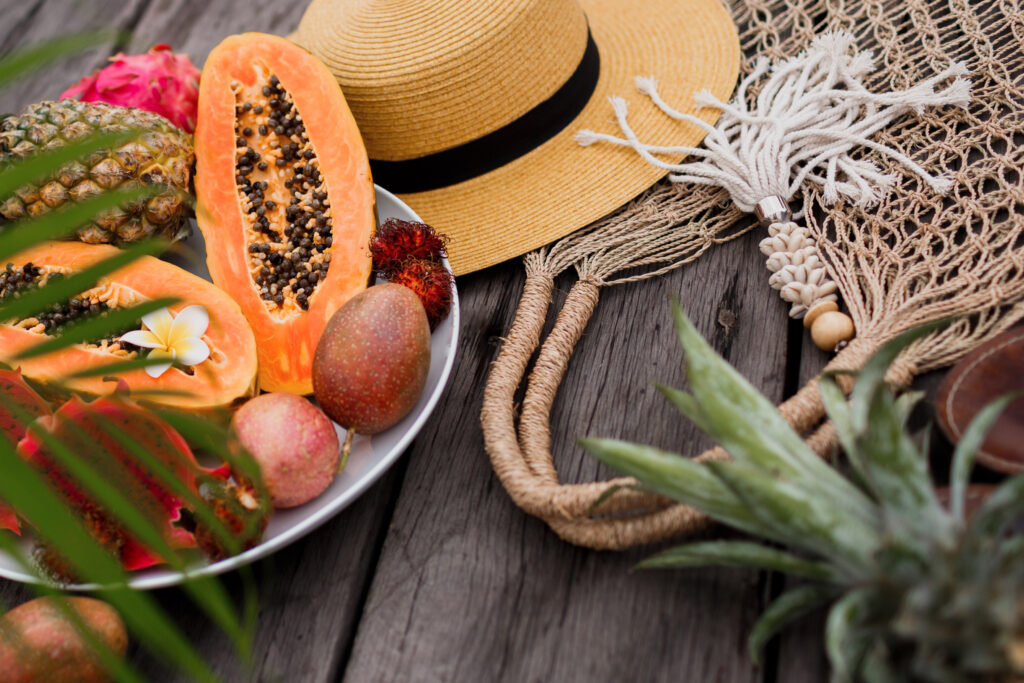
The history of Hawaiian cuisine is a fascinating story of how different cultures and influences shaped the food of the islands. The food itself is of historical significance and represents a blending of different cuisines around the world.
The first settlers of Hawaii were Polynesian voyagers who brought plants and animals from their homelands, such as taro, coconut, yam, and pig. They cooked their food in earth ovens called imu and made poi from mashed taro

Taro use to make poi

Portrait by Nathaniel Dance-Holland
The first contact with Europeans and Americans was in 1778, when Captain James Cook arrived. They introduced new foods and ingredients, such as salted fish, wheat, dairy, and cattle. They also established sugarcane and pineapple plantations, which increased the demand for labor
Between 1850 and 1930, many immigrant workers came to Hawaii from China, Japan, Korea, the Philippines, Puerto Rico, and Portugal. They brought their cuisines and cooking styles and adapted them to the local ingredients and tastes. They also created new dishes that blended different cultures, such as saimin, loco moco, and spam musubi
After World War II, Hawaii became a popular tourist destination, and the local cuisine gained more recognition and appreciation. In 1991, a group of chefs formed the Hawaii Regional Cuisine movement, which aimed to promote the use of fresh and local produce and to celebrate the diversity and creativity of Hawaiian food
Hawaiian Cuisine is an international fusion of different cultures that one can find throughout the islands. Learn more about Hawaiian dishes here.