info@axiacare.com.au
 (+61) 0000-00-0000



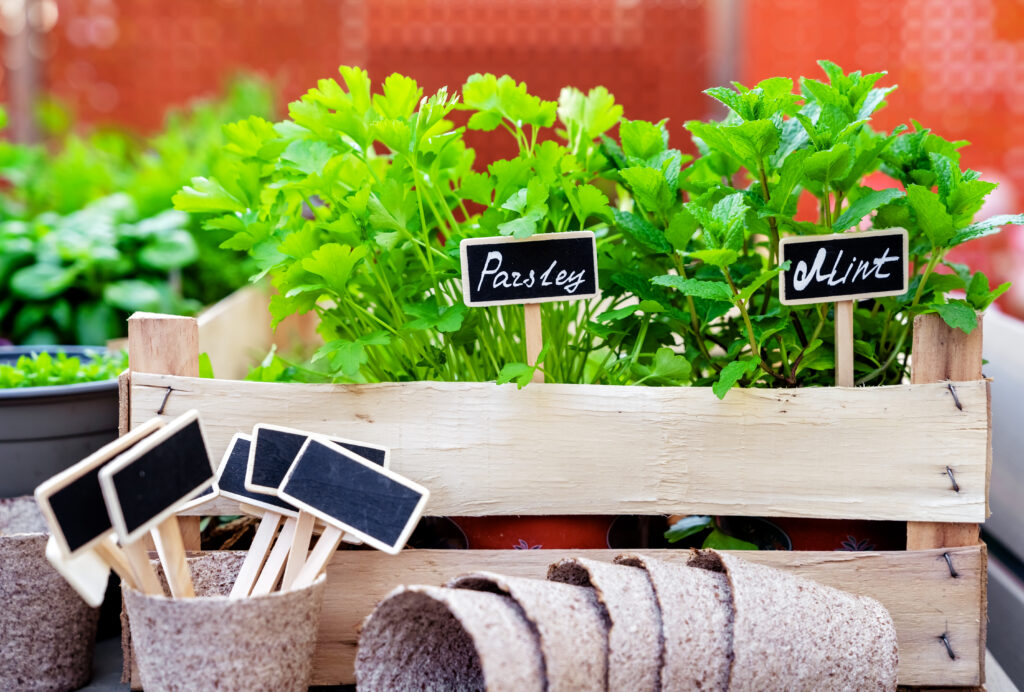
If you love cooking with fresh herbs, but don’t have a lot of space or time to grow them outdoors, you might want to consider creating a small herb garden in your kitchen. Having your herb garden can provide you with a constant supply of aromatic and flavorful herbs that can enhance your dishes and your health. Plus, it can add some greenery and beauty to your kitchen!
Here are 5 Tips on How to Create a Small Herb Garden!
Choose the Right Location
The first step to creating a small herb garden in your kitchen is to choose the right location. Ideally, you want to place your herb garden near a window that gets at least six hours of sunlight per day, as most herbs need plenty of light to thrive. However, if your kitchen doesn’t have a suitable window, you can still grow herbs indoors with the help of artificial lighting, such as a grow light or a fluorescent lamp.
You also want to choose a location that is convenient and accessible, so you can easily harvest your herbs whenever you need them. You can use a windowsill, a countertop, a shelf, or a wall-mounted planter to display your herb garden. Just make sure that the location is not too hot, cold, or drafty, and that it has enough space for your pots and containers.
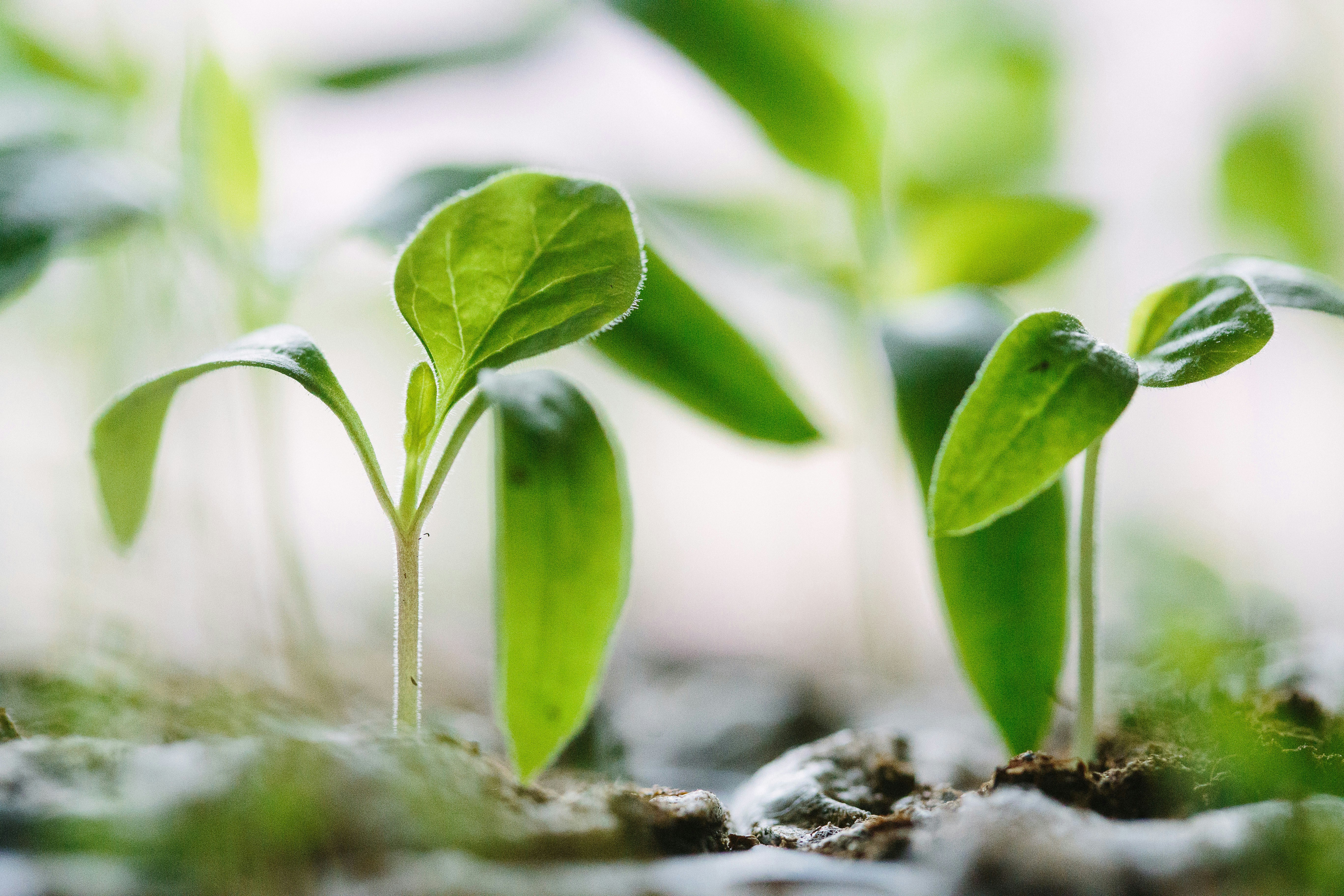
I use a Hydroponics Growing System and I love it! It’s so cool to have fresh herbs always available for cooking. Plus, it adds greenery to the kitchen and infuses the room with a fresh, woody scent. Plus, being in Hawaii. there’s always a concern for Ratlung Worm Disease, which is a terrifying disease endemic to the Big Island, so I prefer to grow anything edible in the kitchen away from pests.
Choose the Right Containers
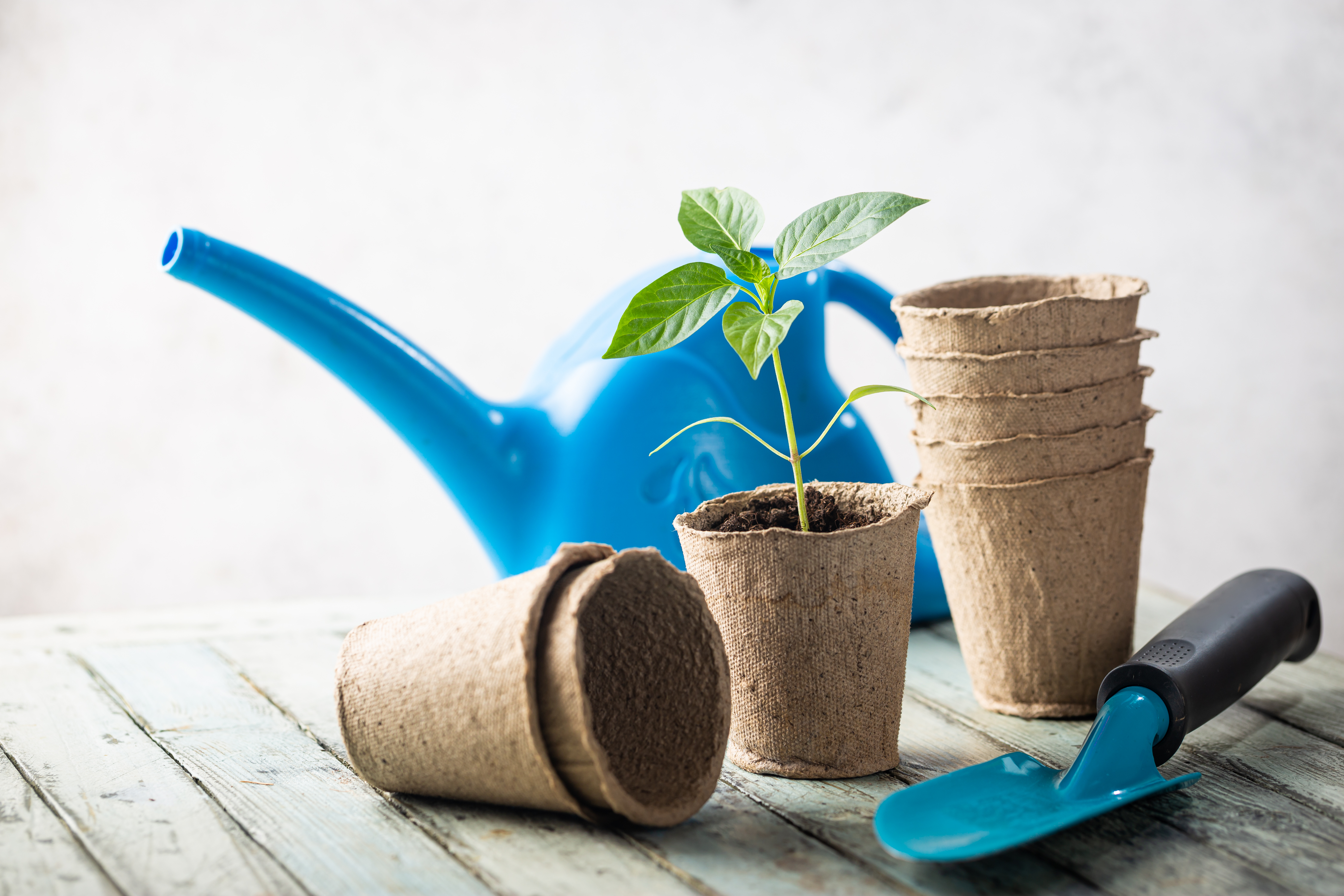
The next step to creating a small herb garden in your kitchen is to choose the right containers. You can use any type of pots or containers that have drainage holes at the bottom, as herbs don’t like to sit in soggy soil. You can also use self-watering pots or containers that have a water reservoir at the bottom, which can help you maintain the optimal moisture level for your herbs.
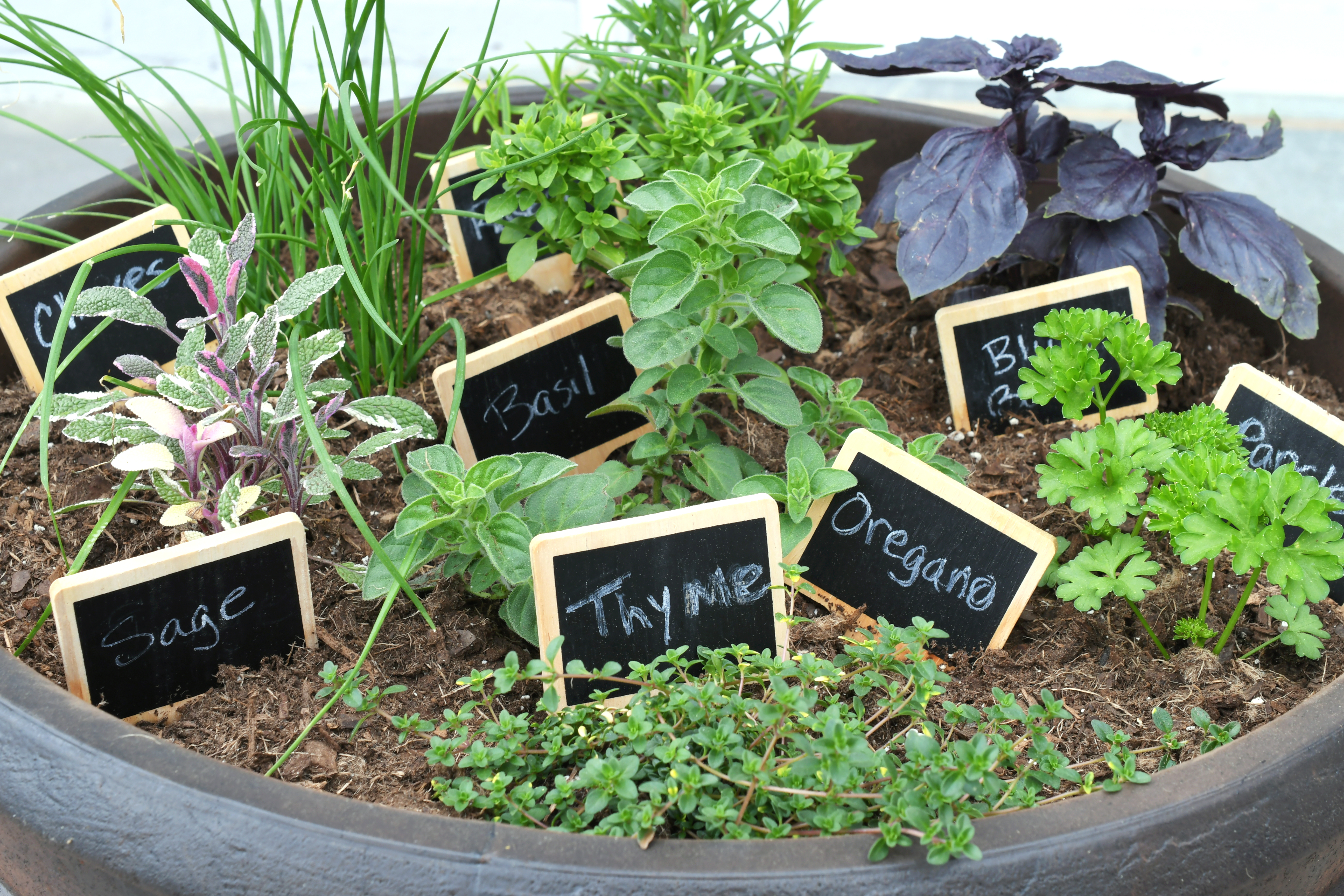
You can use any size or shape of containers, as long as they are big enough to accommodate the root system of your herbs. However, if you have limited space, you might want to choose smaller or narrower containers that can fit in your windowsill or shelf. You can also use hanging baskets, vertical planters, or mason jars to save space and create a more interesting look for your herb garden. I also love placing little wooden markers next to each herb for a rustic feel!
Choose the Right Soil
The third step to creating a small herb garden in your kitchen is to choose the right soil. You can use a good quality potting mix that is suitable for most herbs, or you can make your own by mixing equal parts of peat moss, perlite, and compost. You can also add some organic fertilizer or worm castings to enrich the soil and provide nutrients for your herbs.
You want to fill your containers with soil up to about an inch below the rim and leave some space for watering. You can also add some mulch, such as wood chips, straw, or gravel, on top of the soil to help retain moisture and prevent weeds.
Choose the Right Herbs
The fourth step to creating a small herb garden in your kitchen is to choose the right herbs. You can grow any herbs that you like and use frequently in your cooking, but you might want to consider some factors, such as the size, shape, and growth rate of the herbs, as well as their compatibility and culinary uses. Here are some of the most common and popular herbs that you can grow and use in your kitchen:
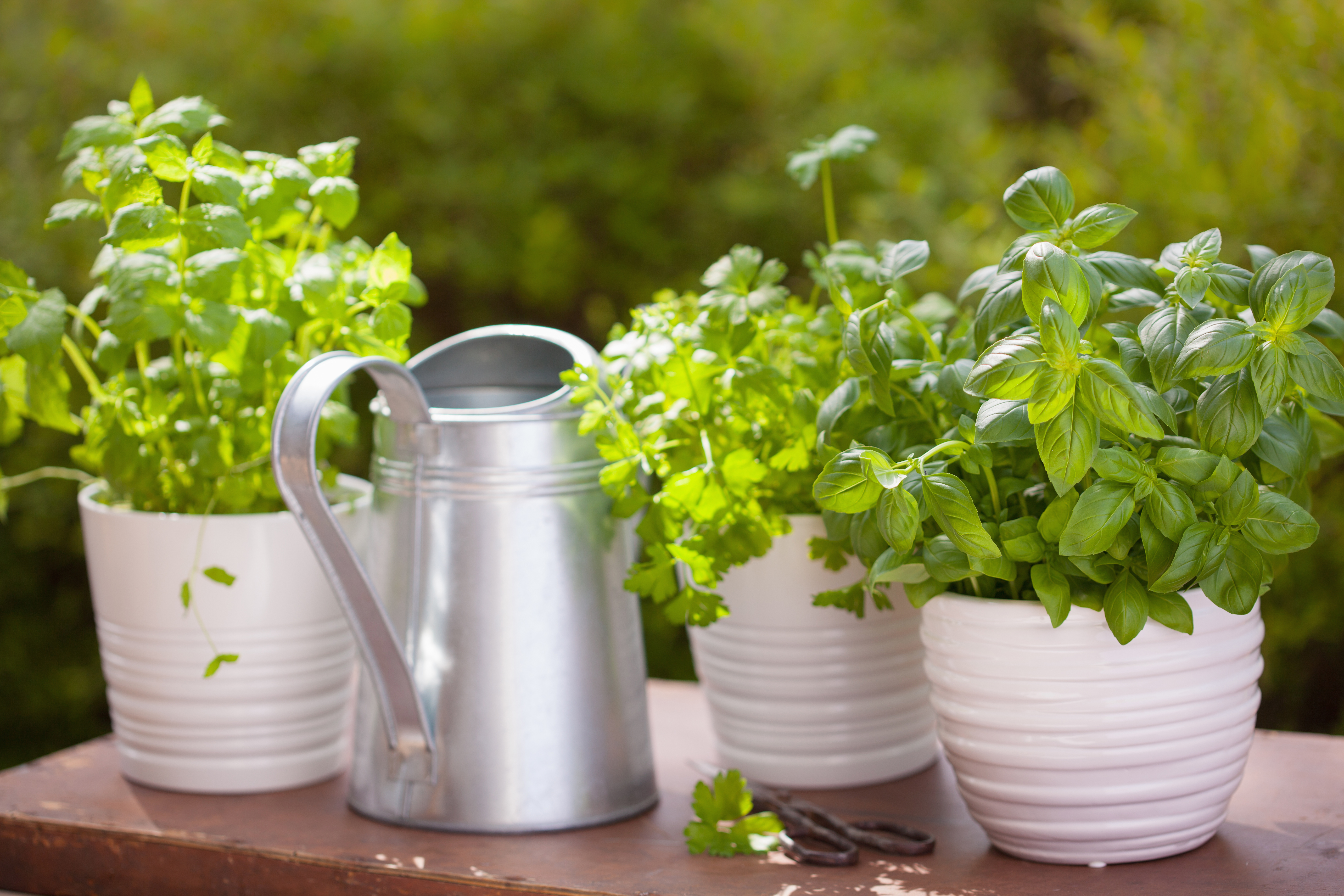
Basil: Basil is one of the most versatile and easy-to-grow herbs, and it has a sweet and spicy flavor that goes well with many dishes, especially Italian and Asian cuisine. You can use basil leaves to make pesto, tomato sauce, salad dressing, or simply sprinkle them over pizza, pasta, or salad. Basil likes warm and sunny conditions, and it needs regular watering and pruning. You can harvest basil leaves throughout the growing season, but you should pinch off the flowers to prevent the plant from bolting and losing flavor.
Parsley: Parsley is another versatile and easy-to-grow herb, and it has a fresh and mild flavor that can enhance the taste and appearance of many dishes. You can use parsley leaves to make tabbouleh, chimichurri, salsa verde, or simply chop them and add them to soups, stews, salads, or sandwiches. Parsley likes cool and moist conditions, and it needs regular watering and fertilizing. You can harvest parsley leaves throughout the growing season, but you should cut them from the outer stems to encourage new growth.
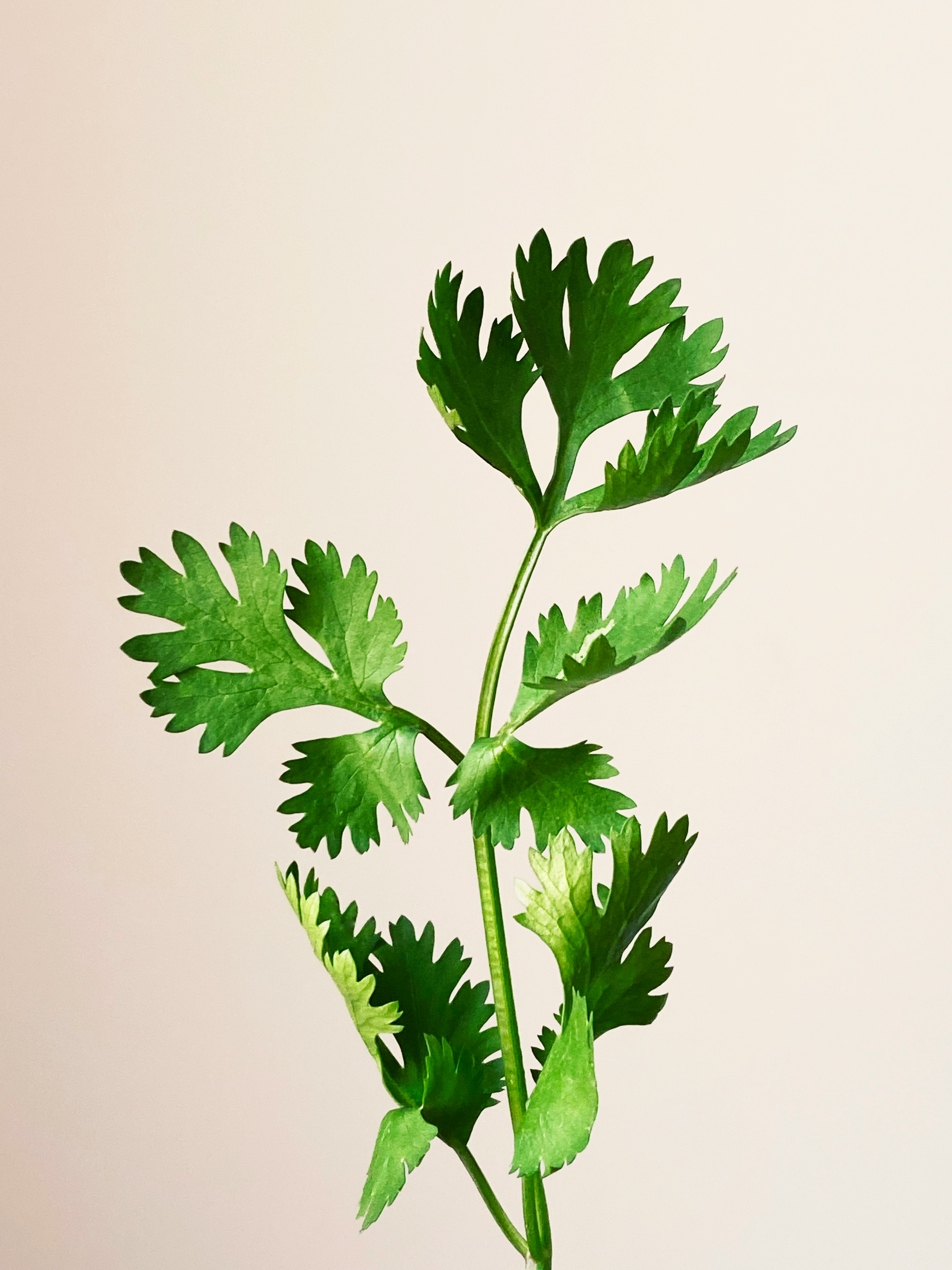
Rosemary: Rosemary is a woody and evergreen herb, and it has a strong and aromatic flavor that can add depth and complexity to many dishes, especially meat, poultry, and potatoes. You can use rosemary sprigs to make marinades, rubs, or roasts, or simply strip the leaves and add them to soups, sauces, or breads. Rosemary likes dry and sunny conditions, and it needs well-drained soil and occasional watering. You can harvest rosemary sprigs throughout the year, but you should avoid cutting more than a third of the plant at a time.
Thyme: Thyme is a low-growing and spreading herb, and it has a subtle and earthy flavor that can complement many dishes, especially Mediterranean and French cuisine. You can use thyme leaves to make bouquets garnis, stocks, or stews, or simply sprinkle them over roasted vegetables, fish, or chicken. Thyme likes dry and sunny conditions, and it needs well-drained soil and occasional watering. You can harvest thyme leaves throughout the year, but you should cut them before the plant flowers to get the best flavor.
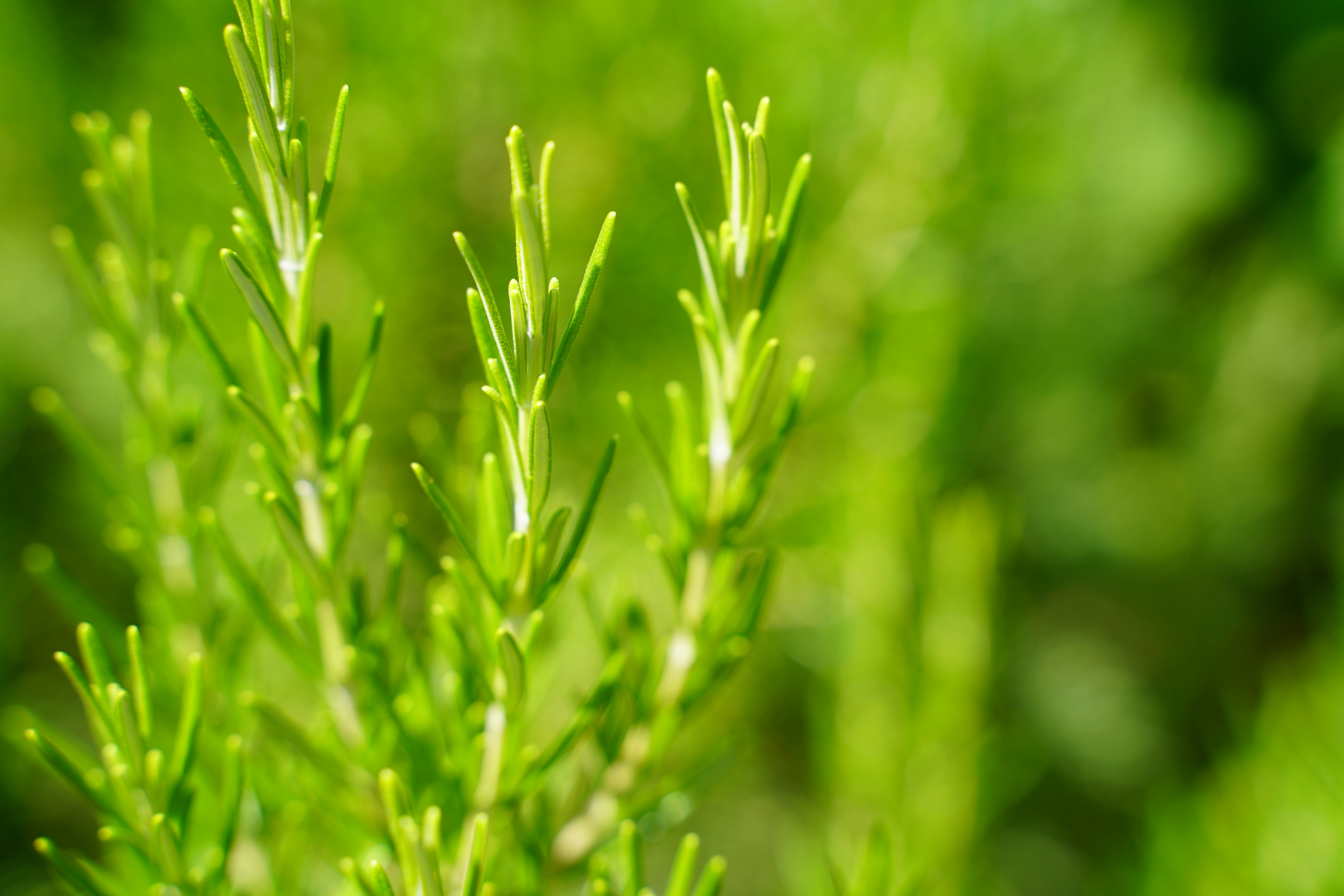
Mint: Mint is a fast-growing and spreading herb, and it has a refreshing and cooling flavor that can add a burst of freshness to many dishes, especially desserts, drinks, and salads. You can use mint leaves to make mojitos, mint juleps, or tea, or simply chop them and add them to fruit salads, yogurt, or chocolate. Mint likes moist and shady conditions, and it needs regular watering and pruning. You can harvest mint leaves throughout the growing season, but you should keep the plant in a separate container to prevent it from taking over your herb garden.
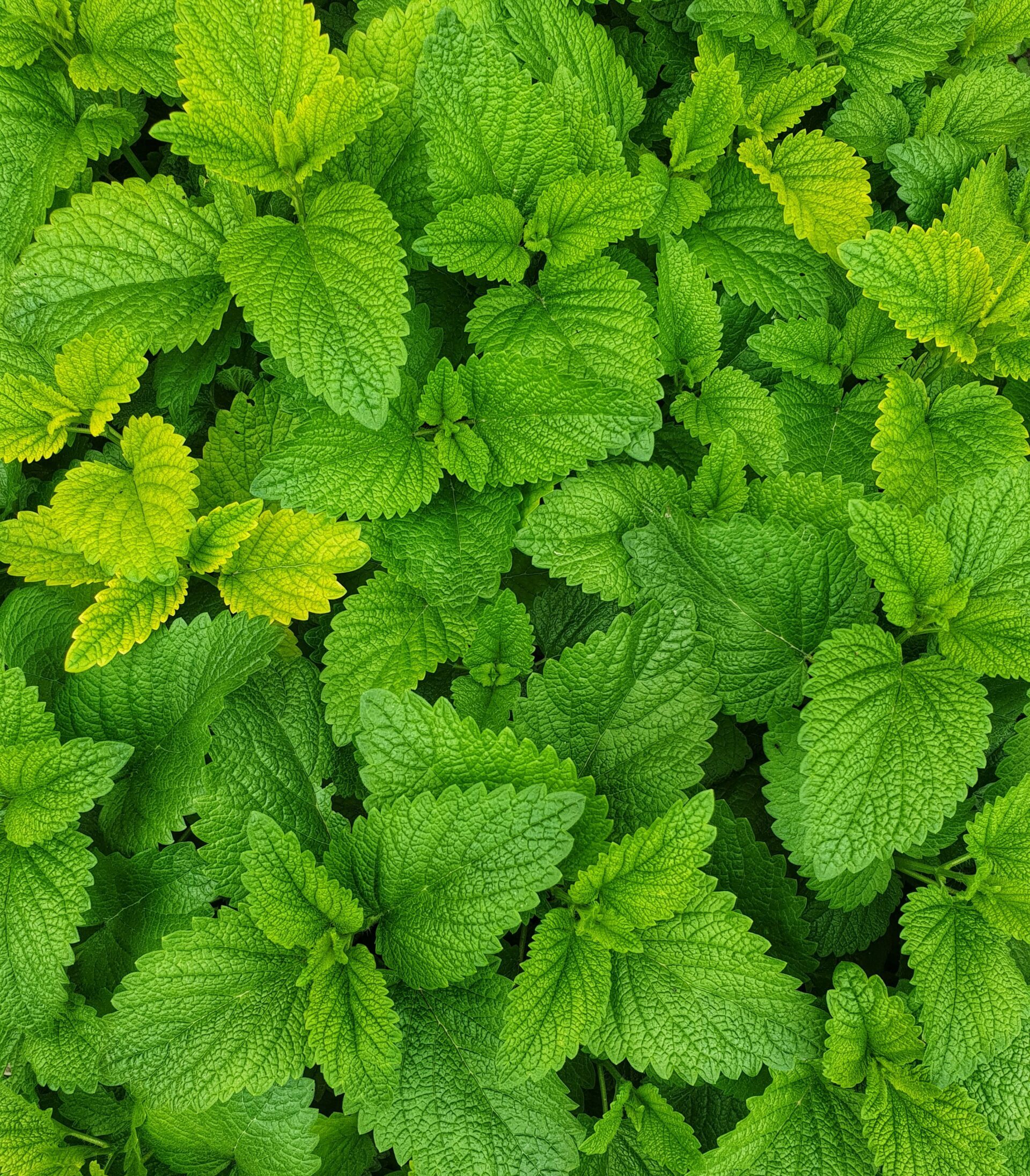
Care for Your Herb Garden
The final step to creating a small herb garden in your kitchen is to care for your herb garden. You can enjoy your fresh herbs for a long time, if you follow some basic tips, such as:
- Water your herbs regularly, but not too much. Check the soil moisture by inserting your finger into the soil up to the second knuckle. If the soil feels dry, water your herbs until the water drains out of the bottom of the container. If the soil feels moist, wait until it dries out before watering again.
- Fertilize your herbs occasionally, but not too much. Use a diluted organic fertilizer or compost tea every two to four weeks during the growing season. Avoid using chemical fertilizers, as they can harm your herbs and your health.
- Prune your herbs regularly, but not too much. Cut off any dead, diseased, or damaged parts of your herbs, and remove any flowers or seeds that may appear. Pinch off the tips of your herbs to encourage bushy and compact growth, and harvest your herbs frequently to stimulate new growth.
- Repot your herbs occasionally, but not too often. If your herbs outgrow their containers, or if the soil becomes compacted or depleted, you can repot your herbs into larger or fresh containers. Use the same type of soil and container as before, and make sure to water your herbs well after repotting.
There are a variety of herbs are endless. You can start with a Seed mixer pack and see which ones you like!
Creating a small herb garden in your kitchen can be a fun and rewarding project that can provide you with fresh and flavorful herbs for your cooking. You can create your own herb garden by choosing the right location, containers, soil, and herbs, and by caring for your herb garden properly. You can also experiment with different combinations and varieties of herbs, and discover new ways to use them in your dishes and or create a refreshing mocktail for an afternoon delight.
With a small herb garden in your kitchen, you can enjoy the benefits of gardening and cooking, and impress your family and friends with your culinary skills!