info@axiacare.com.au
 (+61) 0000-00-0000



 Avoid Stray Animals
I’m an animal lover and I always want to meet, greet, and pet animals because they’re so cute!…but it’s NOT a good idea!
When traveling, it’s important to keep your distance from wild and unfamiliar animals, including dogs and cats.
Rabies
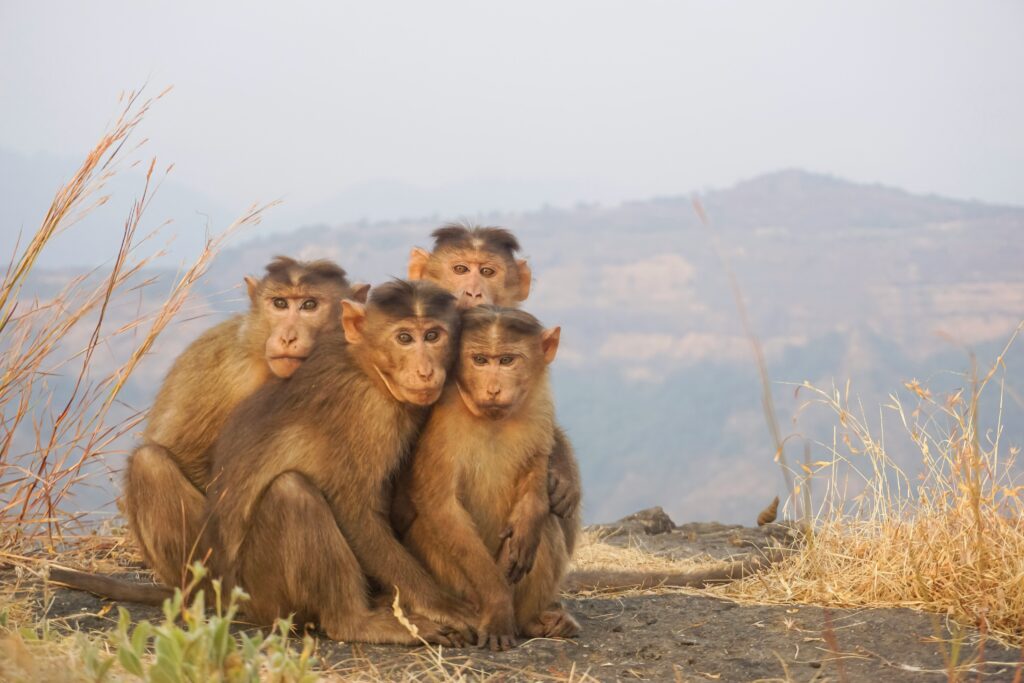
First, stray animals can have Rabies which is a serious life-threatening illness that requires prompt care. I’m always amazed at how many travelers don’t have their rabies vaccines, yet are willing to go to Monkey Sanctuaries and let these monkeys jump or get near them. If bitten or scratched, one can contract rabies and it can be fatal. Moreover, many developing countries don’t have treatment for rabies, so you may need to fly back home immediately for treatment as the rabies progresses quickly.
According to the Centers for Disease Control (CDC), rabies is prevalent globally except in Antarctica, and can be a major problem in Africa, Asia, and specific areas of Central and South America, Furthermore, access to life-saving treatment may be hard to get and as a result, tens of thousands of people die of the disease each year.
Before traveling abroad, consult your Travel Medicine Doctor, a Travel clinic, or your local or state health department about your risk of exposure to rabies, and get vaccinated if necessary.
Learn More About the Rabies Vaccine Here.
Monkeys

We all want that Instagram-worthy photo of ourselves alongside a cute monkey, but unbeknownst to most, a bite or scratch from a monkey is extremely dangerous and can be lethal; I was planning on visiting a Monkey Sanctuary in Indonesia, but after my Travel Medicine Doctor informed me that should I get bitten, I would have to be transported back to the US immediately as one bite could be lethal.
According to the Centers for Disease Control, Monkey bites can cause not only rabies but severe encephalitic infection if not treated properly and the fatality rate approaches 80%!
Bats
Before I traveled through Southeast Asia, my Travel Medicine Doctor advised me to get a series of rabies shots to protect me in case I got bitten by a stray dog or bat. I got my rabies shots and am so glad I did! When traveling through Thailand, my guide took me to remote Buddhist cave shrines in the mountains. The caves were dark, and there were long passages where the Buddhist monks placed their shrines and worshipped. Bats were hanging from the walls of the cave everywhere!
I’m so glad I got my rabies vaccine for protection!

Entrance to Buddhist Cave Shrines in Thailand

Cave Shrine in Thailand
Just remember:
- Stay away from stray or wild animals.
- Wild animals are not domesticated and may react unpredictably. Don’t approach an animal.
- Unfamiliar animals can be venomous, toxic, or aggressive and travelers may not recognize the risk posed.
- According to the CDC, “Animals do not have to be sick to be a risk to humans. The normal flora of poultry, reptiles, and ruminants can cause serious infections in humans, and rodents, bats, and nonhuman primates can be carriers of disease.
- Any animal (domestic or wild) can attack if it feels threatened, is protecting its young or territory, or is injured or ill.
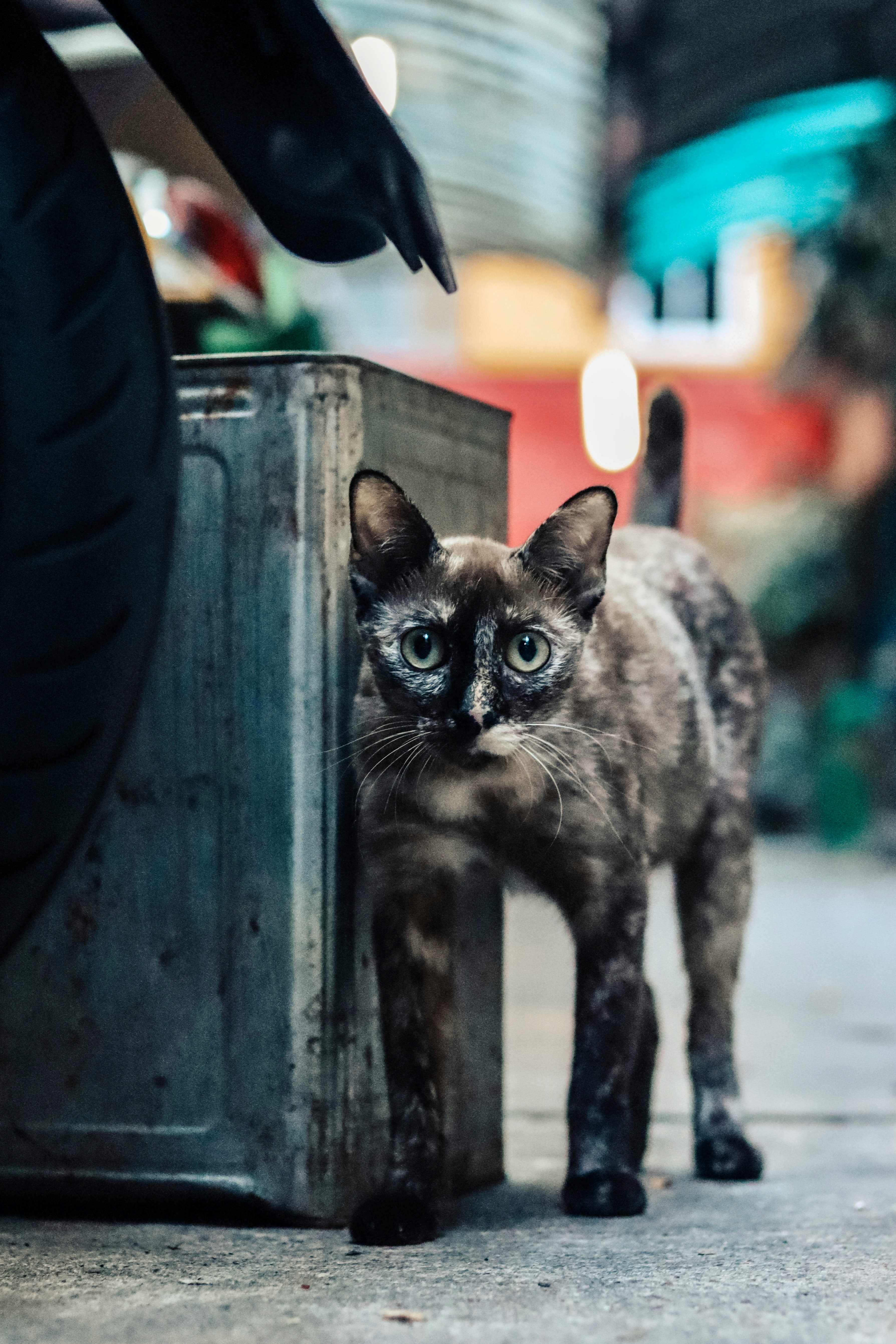
- Stray dogs are common and don’t behave like domestic dogs. Don’t try to pet them or feed them.
Here’s a list from the CDC on the Prevention of Zoonotic Disease
Learn More about Staying Healthy When Traveling:
How to Pack a Medical Travel Kit
Checking Your Destination for Disease-Free Travel
The Importance of Travel Medicine Doctors
Cute, but Dangerous -Staying Away from Stray Animals
Malaria: A Travel’s Guide to Staying Safe
My Thailand Emergency Room Experience