info@axiacare.com.au
 (+61) 0000-00-0000



The Ultimate Guide to International Travel Plug Adapters
Traveling internationally can be an exciting adventure, but it comes with its own set of challenges, especially when it comes to keeping your electronic devices charged. Different countries use different types of electrical outlets, and without the right plug adapter, you might find yourself unable to use your devices.
This guide will help you navigate the world of international plug adapters, making your travels smoother and more enjoyable.
Understanding Plug Types and Prongs
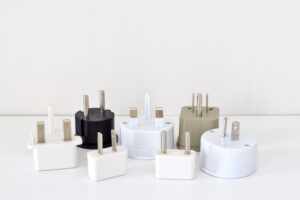
There are 15 different types of electrical outlet plugs used around the world, each identified by a letter (A through O). Here are some of the most common ones:
- Type A: Two flat parallel prongs (used in North America and Japan).
- Type B: Two flat parallel prongs and a grounding pin (used in North America and Japan).
- Type C: Two round prongs (used in Europe, South America, and Asia).
- Type D: Three round prongs in a triangular pattern (used in India and Nepal).
- Type E: Two round prongs and a grounding pin (used in France and Belgium).
- Type F: Two round prongs with grounding clips (used in Germany and Spain).
- Type G: Three rectangular prongs (used in the United Kingdom and Ireland).
- Type I: Two flat prongs in a V-shape and a grounding pin (used in Australia and China).
Each plug type is designed to fit into a corresponding outlet, ensuring a secure connection for your devices.
Voltage and Wattage Considerations
Voltage and wattage are crucial factors to consider when using electronic devices abroad. Different countries operate on different voltage standards:
- North America: 110-120V
- Europe: 220-240V
- Asia: Varies between 100V (Japan) and 240V (India)
Using a device designed for a different voltage can damage it. For example, plugging a 110V device into a 220V outlet without a converter can cause it to overheat and fail. Always check the voltage rating on your device and use a voltage converter if necessary.
Regions and Their Plug Types
Here’s a quick reference list of plug types used in various regions:
- North America: Type A, B
- South America: Type C, I, L
- Europe: Type C, E, F
- Asia: Type A, C, G, I
- Africa: Type C, D, G, M
- Australia/Oceania: Type I
Choosing the Right Adapter
When selecting a travel adapter, consider the following features:
- Compatibility: Ensure the adapter supports the plug types used in your destination.
- USB Ports: Many modern adapters come with USB ports, allowing you to charge multiple devices simultaneously.
- Voltage Conversion: If your devices are not dual voltage, choose an adapter with a built-in voltage converter.
- Size and Weight: Compact and lightweight adapters are easier to pack and carry.
Tips for Using Travel Adapters
- Check Compatibility: Always verify that your adapter is compatible with the outlets in your destination.
- Use a Converter for High-Power Devices: Hair dryers and curling irons often require a voltage converter.
- Pack a Backup: Having a spare adapter can save you in case of loss or damage.
- Label Your Adapters: Mark your adapters with the countries they are compatible with to avoid confusion.
Traveling with the right plug adapter can make a significant difference in your travel experience. By understanding the different plug types, voltage requirements, and features to look for in an adapter, you can ensure that your devices stay charged and ready to use wherever you go. Happy travels!