info@axiacare.com.au
 (+61) 0000-00-0000



Malaria
When traveling to Asia, Africa, Central and South America, as well as certain Caribbean islands, one needs to be aware of the risk of malaria.
Malaria is a life-threatening disease transmitted to humans by certain types of mosquitoes. According to the World Health Organization, in 2022, there were approximately 249 million malaria cases worldwide, resulting in 608,000 deaths across 85 countries. That’s a lot!
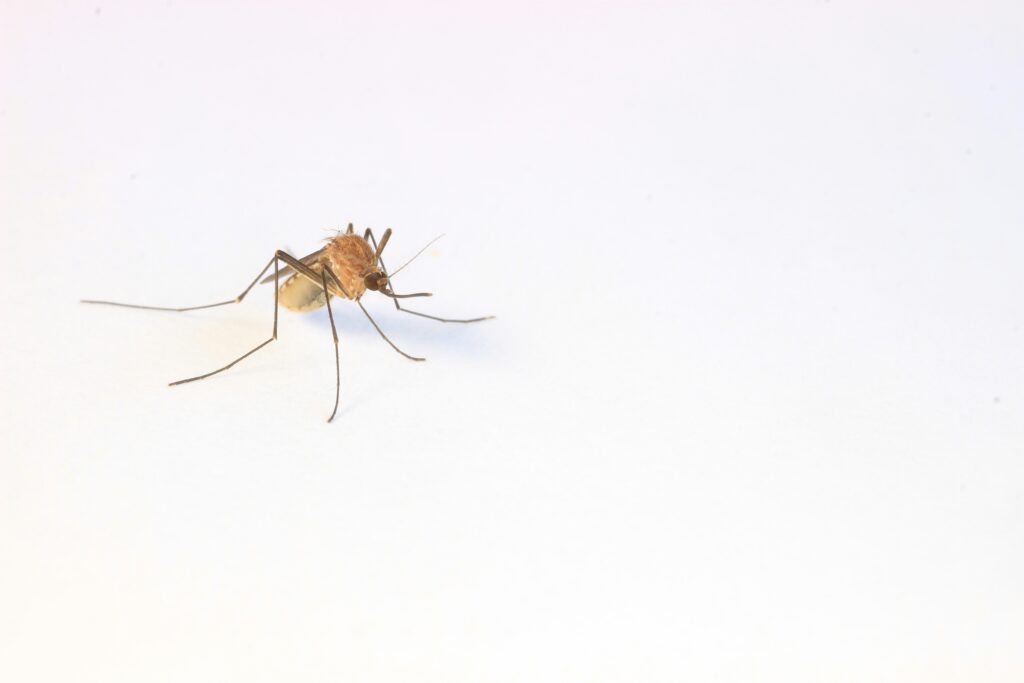
Malaria spreads primarily through the bites of infected female mosquitos with a bacteria called Plasmodium falciparum (found mainly in Africa) and Plasmodium vivax (dominant outside sub-Saharan Africa).
Early symptoms include fever, headache, and chills whereas more severe symptoms may include fatigue, confusion, seizures, and difficulty breathing. Infants, young children, pregnant women, travelers, and those with HIV/AIDS are at higher risk.
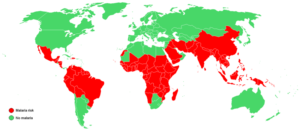
Where is Malaria Common?
The rainy season encourages mosquitos, so be cautious during monsoon and rainy seasons.
Here’s more information from the World Health Organization on Malaria.
The website provides maps and interesting information about Malaria.
How do you avoid getting Malaria?
-
- Avoid mosquito bites: Use bed nets, wear protective clothing, and use insect repellent.
- Antimalarial medicines: Consult a Travel Medicine Doctor before traveling. I like to use the Costco Travel Medicine Program.
- Early diagnosis: Get tested if you experience symptoms
- Emergency care: Seek immediate help for severe symptoms.
Learn more about Staying Healthy When Traveling
How to Pack a Medical Travel Kit
Checking Your Destination for Disease-Free Travel
The Importance of Travel Medicine Doctors
Cute, but Dangerous -Staying Away from Stray Animals
Malaria: A Travel’s Guide to Staying Safe
My Thailand Emergency Room Experience