info@axiacare.com.au
 (+61) 0000-00-0000



Thai Cuisine
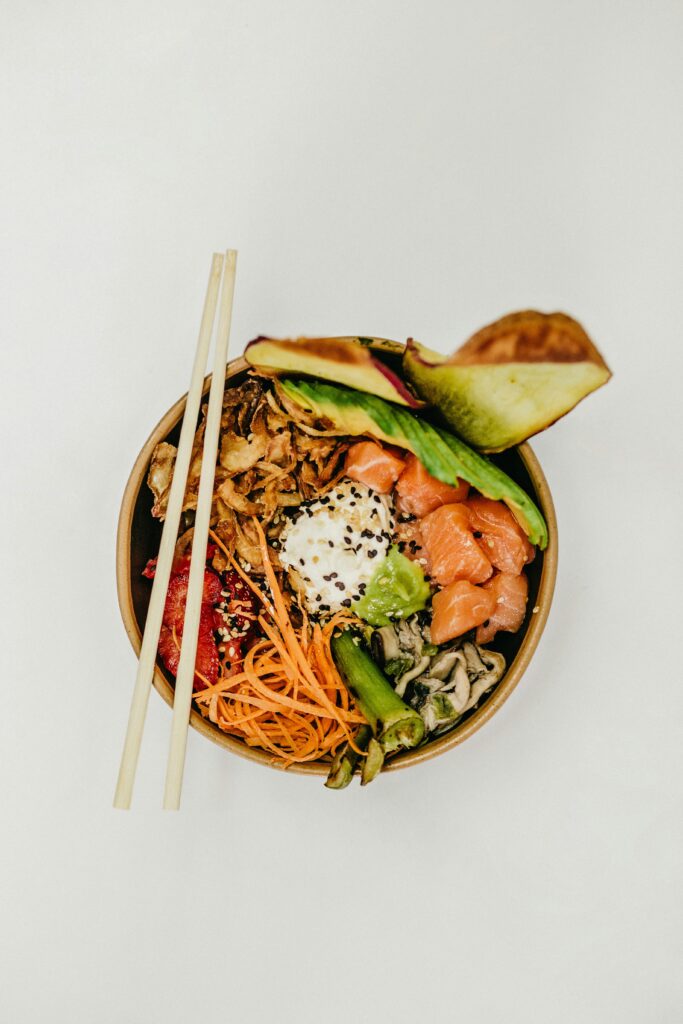
A Symphony of Flavors and Traditions

Thai cuisine is a vibrant tapestry woven from a rich history, diverse cultural influences, and an array of tantalizing flavors. Each dish tells a story, inviting you to explore the depths of its culinary heritage. From the bustling streets of Bangkok to the serene countryside, Thai food is a celebration of taste, tradition, and technique.
Array of Ingredients
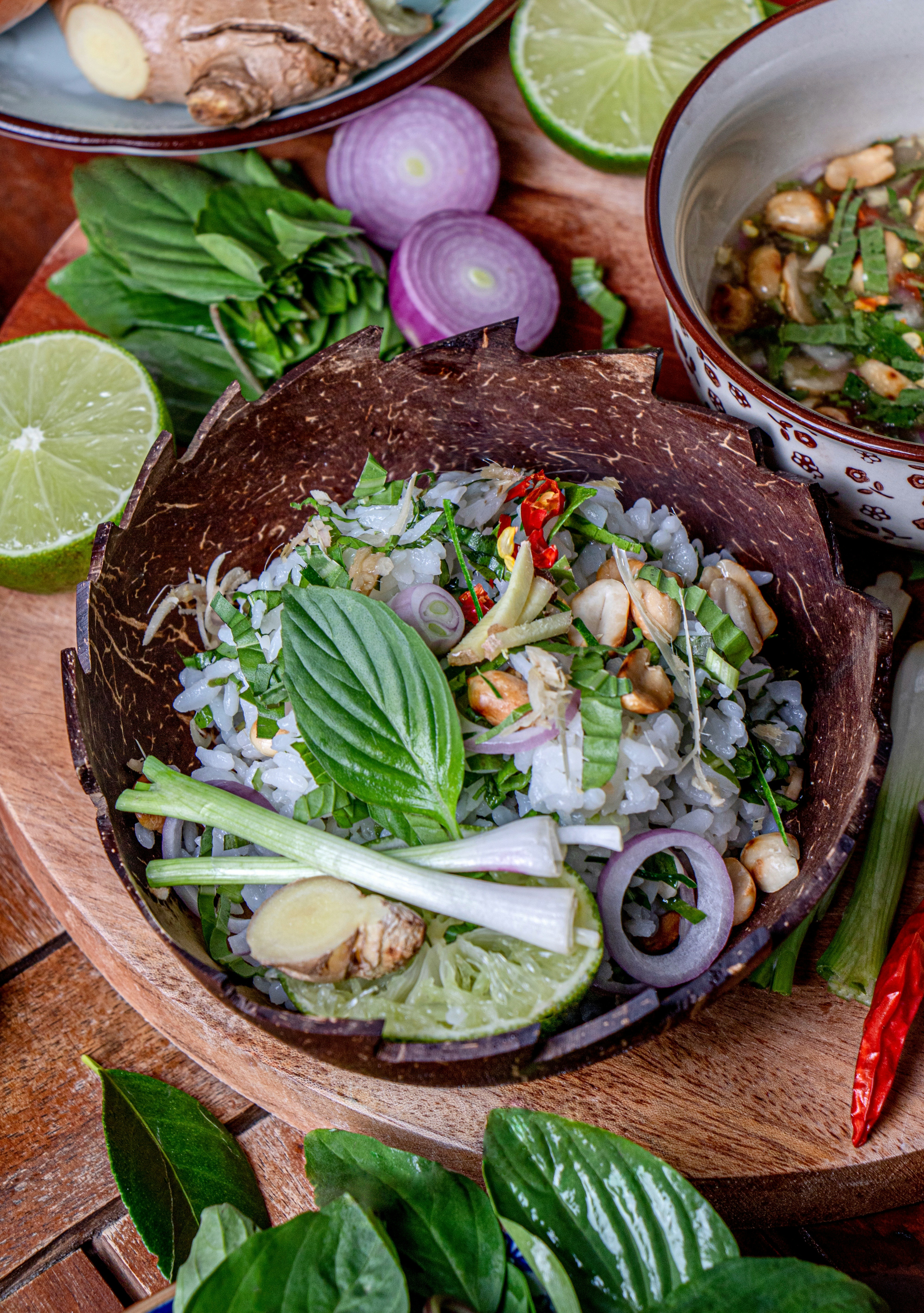
The essence of Thai cuisine lies in its harmonious balance of flavors. Thai dishes are renowned for their ability to combine sweet, salty, sour, bitter, and spicy elements in perfect harmony. This intricate balance is achieved through the use of fresh herbs and spices, such as lemongrass, galangal, kaffir lime leaves, and Thai basil. The fiery heat of bird’s eye chilies, the aromatic sweetness of coconut milk, and the tangy zest of lime juice are just a few of the ingredients that create the distinctive taste of Thai food.
Cooking Techniques
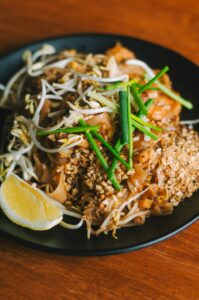
Cooking techniques in Thai cuisine are as diverse as the flavors themselves and range from Steaming, Stir-frying, grilling, and deep-frying are commonly used methods, each bringing out different aspects of the ingredients. Stir-frying, for instance, is a quick and high-heat method that preserves the freshness and crunch of vegetables while infusing them with the flavors of garlic, chilies, and fish sauce. Whereas, steaming is a gentler technique that retains the natural flavors and nutrients of ingredients, often used for delicate dishes like fish or dumplings.
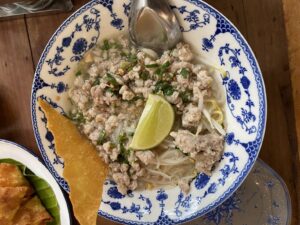
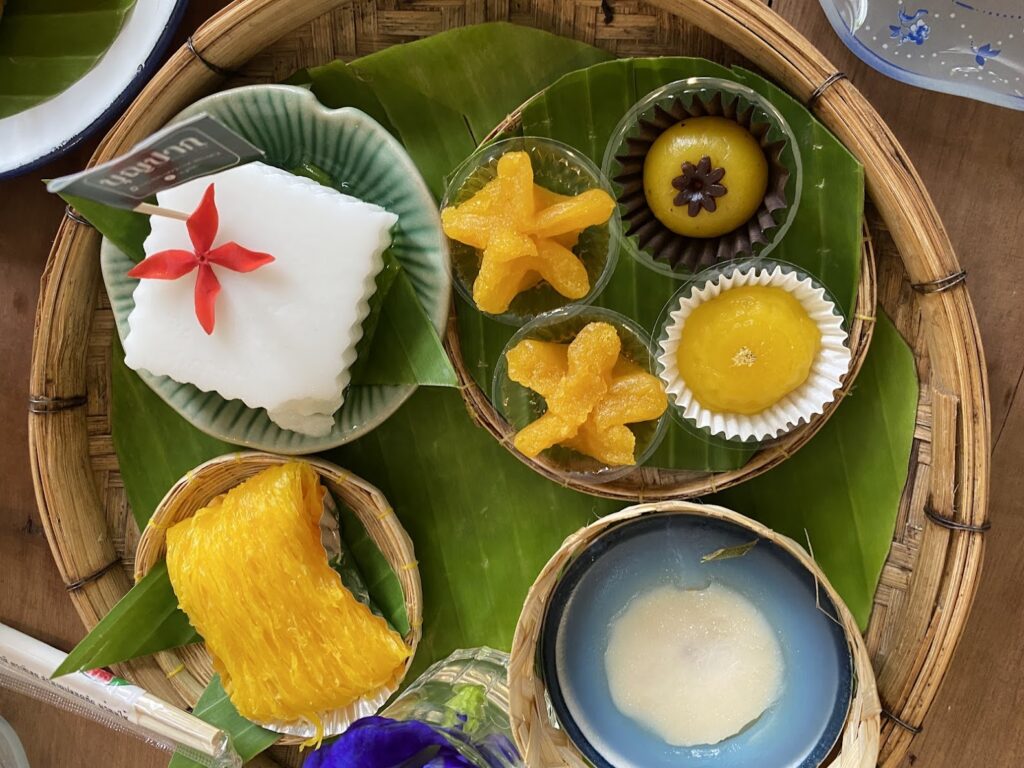
The ingredients used in Thai cooking are a testament to the country’s rich agricultural heritage. Rice, particularly jasmine rice, is a staple that accompanies almost every meal. Fresh herbs and vegetables, such as cilantro, mint, and Thai eggplant, are integral to many dishes. Fish sauce, made from fermented fish, adds a deep umami flavor, while palm sugar provides a subtle sweetness. Coconut milk is a distinctive ingredient used in Thailand and another essential ingredient, lending a creamy texture and rich flavor to curries and desserts alike

History of Thai Food
The history of Thai cuisine is a fascinating journey through time and culture. Influences from neighboring countries, such as China, India, and Malaysia, have left an indelible mark on Thai food. Chinese immigrants introduced techniques like stir-frying and ingredients like soy sauce and noodles. Indian traders brought spices and curries, which were adapted to local tastes and ingredients. The result is a cuisine that is both uniquely Thai and a reflection of its diverse cultural heritage.

Cultural Influences
Cultural influences have played a significant role in shaping Thai cuisine. The use of herbs and spices for their medicinal properties is a practice that dates back centuries. For example, turmeric is valued not only for its vibrant color and flavor but also for its anti-inflammatory benefits. The concept of “rot chart,” or the balance of flavors, is deeply ingrained in Thai culinary philosophy, emphasizing the importance of harmony in every dish.
In conclusion, Thai cuisine is a captivating blend of flavors, techniques, and traditions. It’s a cuisine that invites you to savor each bite, to explore the stories behind the dishes, and to appreciate the artistry of its preparation. Whether you are enjoying a simple bowl of Tom Yum soup or a complex green curry, Thai food offers a sensory experience that is both deeply satisfying and endlessly intriguing.