info@axiacare.com.au
 (+61) 0000-00-0000



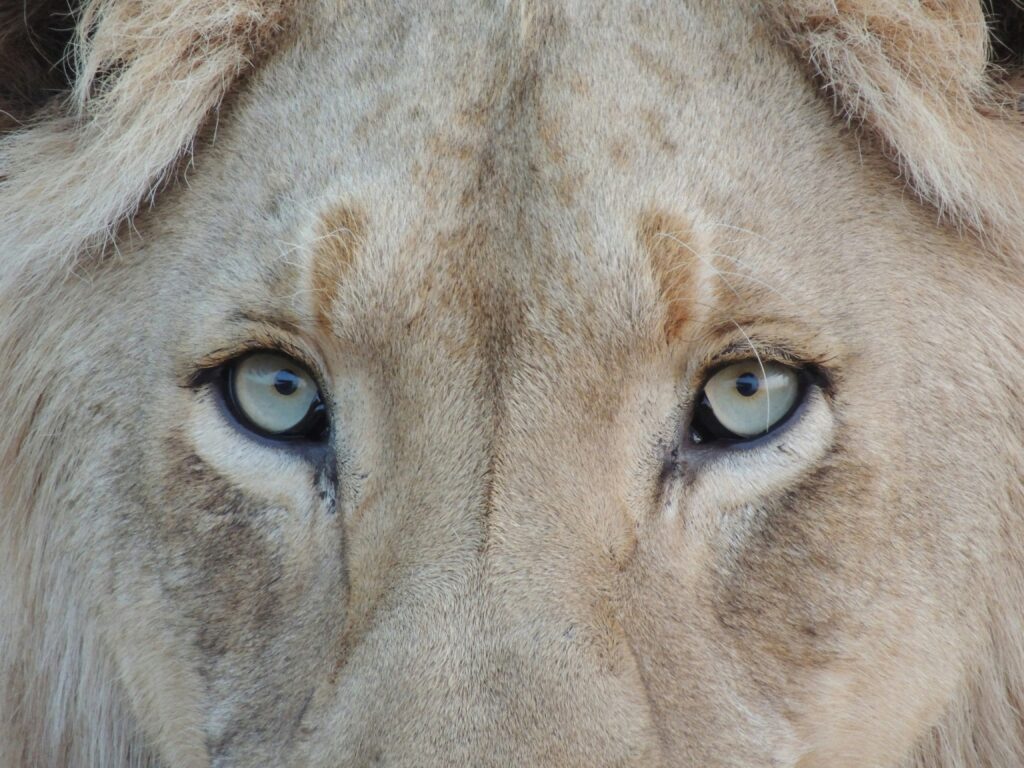
Animal tourism, also known as wildlife tourism, is any activity that involves interacting with wild animals, such as riding, feeding, petting, or watching them. While some of these activities may seem harmless or even fun, they often have negative consequences for the animals and their habitats.
Some of the common problems with animal tourism are:
- Animals are captured from the wild, separated from their families, and deprived of their natural behaviors and needs.
- Animals are trained using harsh methods, such as beating, starving, or drugging, to make them obedient and submissive to humans.
- Animals are kept in cramped, dirty, and stressful conditions, where they suffer from diseases, injuries, and psychological distress.
- Animals are exposed to constant noise, crowds, and handling, which can cause them fear, anxiety, and aggression.
- Animals are overworked and exploited, sometimes to the point of exhaustion or death.
These problems not only harm the animals, but also the environment and the people involved. Animal tourism can contribute to habitat loss, poaching, trafficking, and disease transmission among wildlife populations. It can also pose risks to human health and safety, as well as ethical and legal issues.
The good news is that you can avoid supporting unethical animal tourism by being more informed and conscious about your choices. Here are some tips on how to recognize and avoid unethical animal encounters:
- Do your research before you book any wildlife activity. Check the credentials and reviews of the operators and organizations that offer them. Look for signs of animal welfare and conservation standards, such as certifications, accreditations, or memberships from recognized bodies, such as the Global Sustainable Tourism Council, the World Animal Protection, or the International Ecotourism Society.
- Avoid any attraction or activity that allows direct contact with wild animals, such as riding, holding, feeding, or petting them. These are unnatural and stressful for the animals, and can also be dangerous for you.
Examples of Animal Tourism that are harmful to animals include Elephant Riding, Dolphin Swims, Ostrich Riding
- Instead, opt for observing animals in their natural habitats, such as national parks or wildlife sanctuaries, where they are free and protected.
- Follow the guidelines and rules of ethical wildlife tourism, such as keeping a safe distance, staying quiet, not using flash photography, not littering, and not feeding or touching the animals. Respect the animals and their environment, and do not disturb or harm them in any way.
- Educate yourself and others about the issues and impacts of animal tourism. Learn more about the animals and their conservation status, and support the efforts of reputable organizations and projects that work to protect them.
- Spread the word about the importance of ethical animal encounters and ecotourism, and discourage others from engaging in unethical practices.
We are all responsible for the consequences of our actions. Animals are feeling, thinking, and sensitive beings like humans. We, as humans, need to respect our fellow beings. By being cognizant and aware of the unethical animal tourist practices, we are preventing further animal abuse by not supporting these companies with our dollars.
Thank you for being a global citizen and preventing animal abuse practices!