info@axiacare.com.au
 (+61) 0000-00-0000



Living in the United States, we take for granted the fact that we don’t have exposure to many diseases on other continents. But when we travel abroad, it’s important to know the types of diseases and bacteria one can get exposed to. Although Typhoid Fever isn’t in the United States, it’s prevalent in other parts of the world, especially in Southern Asia, Africa, Central and South America.
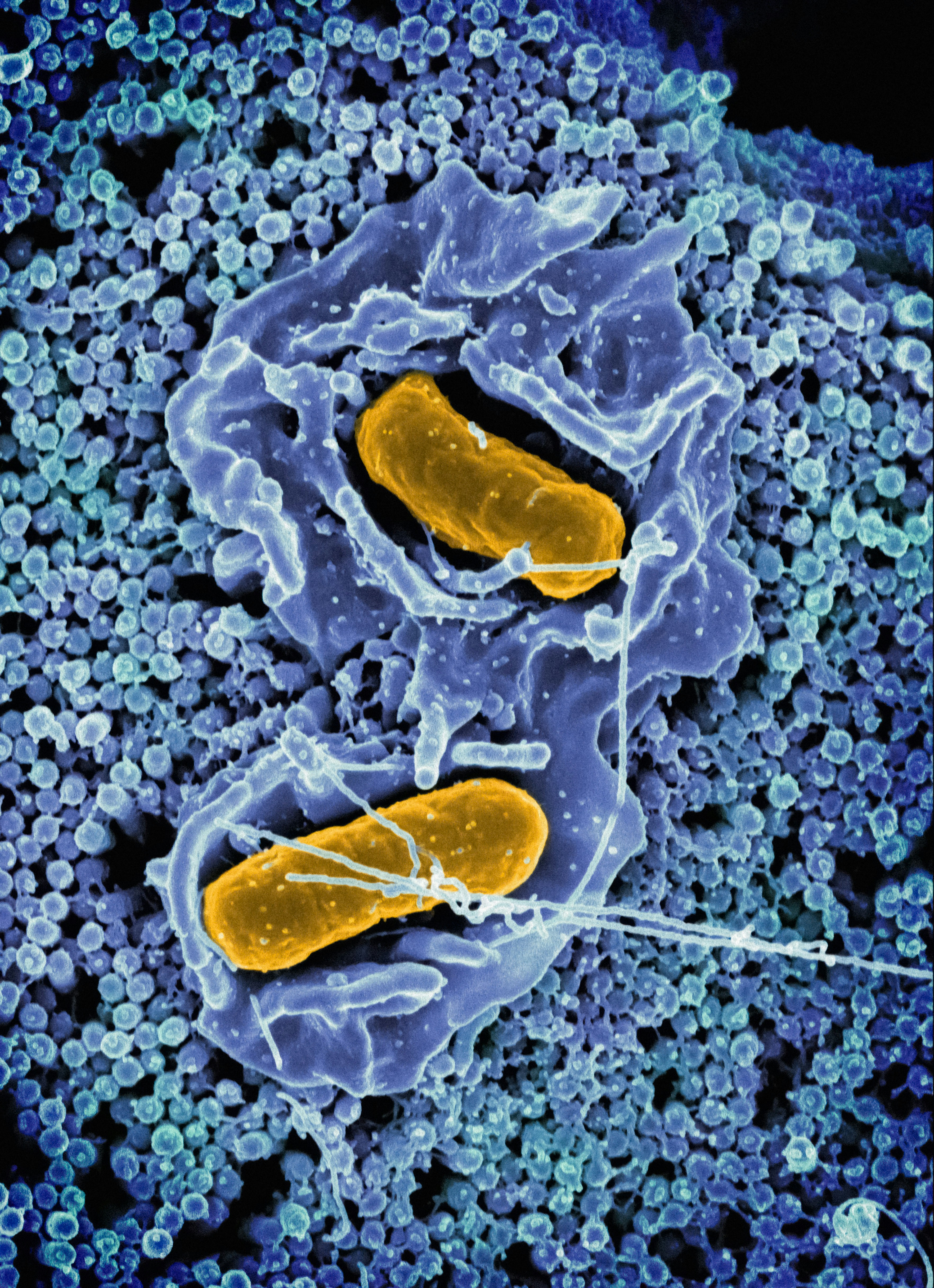
Typhoid fever is a bacterial infection caused by Salmonella Typhi. It’s common in places with less-than-ideal sanitation and polluted water.
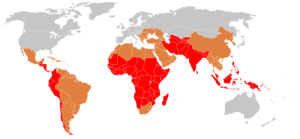
Adapted from Wikipedia

Adapted from Wikipedia
Vaccination
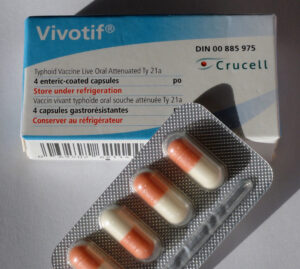
First things first: vaccination. There are two types of vaccines. The injectable one is suitable for folks aged 2 and up. You’ll need a single dose at least two weeks before your trip, with boosters every two years. The oral vaccine is for those aged 6 and older. It comes as a series of four capsules over a week, and you’ll need to finish them at least a week before your trip, with boosters every five years.
Careful what you Eat and Drink
Next, watch what you eat and drink. Stick to bottled or boiled water, avoid ice unless you know it’s from safe water, and steer clear of raw fruits and veggies you can’t peel. And while street food is tempting, eating at reputable spots is safer.
Practice Good Hand Hygiene
Lastly, maintain good hand hygiene. Wash your hands often, and keep hand sanitizer handy when soap and water aren’t available.
By taking these precautions, you can enjoy your travels worry-free.
Stay Safe and Happy Exploring! 🌏✈️
Learn more:
Mayo Clinic – Typhoid Fever
CDC – Typhoid Fever
Tips for Staying Healthy When Traveling
Common Pathogens and Diseases by Continent
Food and Water Safety Tips
Checking Your Destinations for Disease Free Travel
Malaria: A Traveler’s Guide to Staying Safe
Cute, but Dangerous – Stray and Wild Animals
Travel for Immunocompromised Travelers
Why You Should See a Travel Medicine Doctor
Travel Trips to Keep You Healthy and Rocking
Preparing a Medical Travel Kit