info@axiacare.com.au
 (+61) 0000-00-0000



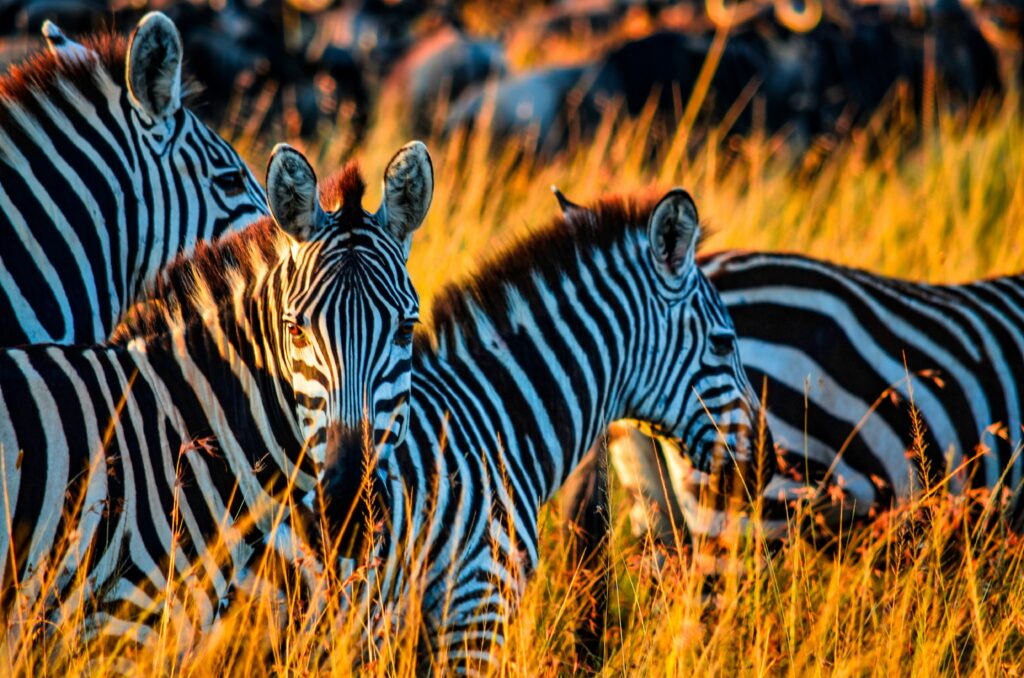

Wildlife tourism is a popular and exciting way to experience nature and animals in their natural habitats. However, not all wildlife tourism is created equal. Some practices can harm the animals, the environment, and the local communities, while others can support conservation and welfare efforts. How can you tell the difference? Here, I’ll give you some tips and guidelines on how to choose ethical and responsible wildlife tourism options, and what to avoid. You will also learn about some of the benefits and challenges of wildlife tourism, and how you can make a positive impact on your next trip. Whether you want to see dolphins, elephants, lions, or pandas, wildlife tourism can be a rewarding and unforgettable adventure, if done right!

First of all, you need to decide what kind of animals you want to see and where you want to go. There are many ethical wildlife experiences around the world, such as watching whales in Iceland, tracking gorillas in Rwanda, or volunteering at a wildlife sanctuary in Thailand. You can use online resources like National Geographic, AFAR, and Wildlife Conservation Network to get some ideas and inspiration.
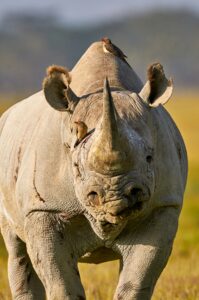
Once you have a destination and an activity in mind, you need to do some research on the operators and organizations that offer them. You want to make sure they are reputable, reliable, and responsible. You can check their credentials by looking for certifications, accreditations, or memberships from recognized bodies, such as the Global Sustainable Tourism Council and the International Ecotourism Society. You can also read reviews and testimonials from previous customers, or contact them directly to ask questions.
Some of the questions you can ask are:
- How do they ensure the welfare and safety of the animals and the visitors?
- How do they contribute to the conservation and protection of wildlife and their habitats?
- How do they involve and benefit the local communities and cultures?
- How do they minimize the environmental and social impacts of their operations?
By asking these questions, you can get a better sense of how ethical and sustainable their practices are, and how they align with your values and expectations. You can also compare different options and choose the one that best suits your budget, preferences, and goals.
Wildlife travel and tourism can be a powerful tool for positive change if done right. It can raise awareness and appreciation for the natural world, inspire people to take action for its preservation, and support the efforts of conservationists and local communities. It can also create opportunities for economic development, cultural exchange, and personal growth. However, if done wrong, wildlife travel and tourism can have negative impacts on the environment and the animals, such as habitat loss, pollution, stress, disease, exploitation, and poaching. Therefore, as a traveler, it’s important to be informed, respectful, and responsible when engaging in wildlife tourism activities, and to choose ethical and sustainable operators and destinations.
By doing so, we can make a difference for the planet and its wildlife, while also having a memorable and meaningful experience. 🌎